

























































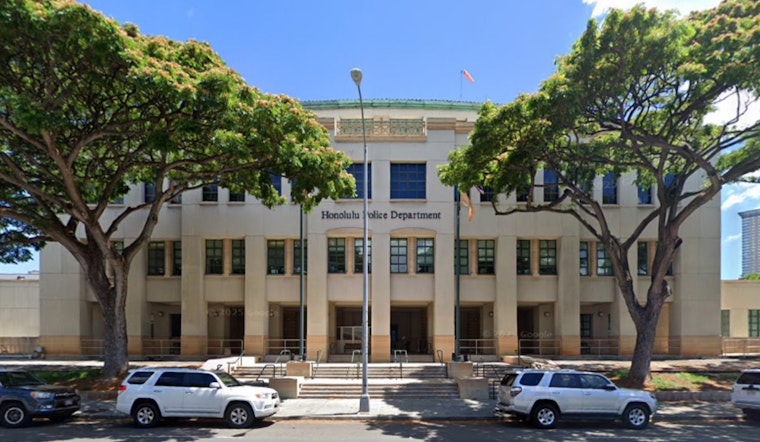
Honolulu businesses that keep arcade-style video machines on site now have one more item on the to-do list: get a permit from the Honolulu Police Department or risk getting shut down. The new police-issued permit system is part of a city push to close illegal game rooms and, according to HPD, to separate legitimate arcade fun from setups that hide unlawful gambling. City officials say operators who skip the permit step could face enforcement.
What the rule covers
Under the city code, a "video amusement device" is a digital electronic amusement device that offers video or graphic-based gameplay. That category includes video games, virtual reality simulators, and dance or motion games, but does not cover music devices or vending machines, according to the Revised Ordinances of Honolulu. The law treats video amusement devices as a subset of electronic amusement devices that must be registered when they are made available to the public.
Where the rule came from
The permit requirement comes from Ordinance 25-28, one piece of a three-bill package that Mayor Rick Blangiardi signed in June 2025 to give police and code-enforcement teams new tools to crack down on illegal game rooms, as reported by Hawaii News Now. City leaders and prosecutors said the measures are intended to make it easier to seize unregistered machines and to hold property owners responsible for what happens on their premises.
How to apply
HPD's Narcotics/Vice Division has posted the Video Amusement Device Permit Application and instructions on its website and is telling operators to download the form and follow the listed submission steps. The division also provides a reporting hotline at 808-723-3933 and an email contact form for tips and permit questions on the HPD Narcotics/Vice Division page.
Enforcement and penalties
Running a video amusement device without a permit "may result in enforcement action ranging from a warning to a misdemeanor charge," according to KITV. The local code also allows the police chief to deny a permit application if the proposed location "would be reasonably likely to result in an increase in criminal activity, vandalism, litter, noise, or traffic congestion," a standard laid out in the Revised Ordinances.
Part of a longer crackdown
HPD's Narcotics/Vice Division, working with a multiagency effort called Operation Follow Through, has been combining criminal search warrants with building and fire code enforcement to keep shuttered venues from quietly reopening, according to the department. Local reporting has documented dozens of closures and recent seizures as officials try to uproot persistent gambling operations across Oʻahu; see HPD's update and coverage of dozens of closures and recent seizures for additional background.
Legal takeaways
Under state law, possessing a gambling device is a misdemeanor under HRS §712-1226, and promoting gambling in the second degree can bring felony exposure under HRS §712-1222. Prosecutors have been using those statutes along with city ordinances in cases tied to illegal game rooms.
For now, the message from City Hall and HPD is straightforward: if you operate video amusement devices, study the permit form on HPD's site, contact the Narcotics/Vice Division with questions, and get into compliance. Officials say the permitting process is meant to make it harder for illegal gambling to hide in plain sight behind arcade-style entertainment.





