

























































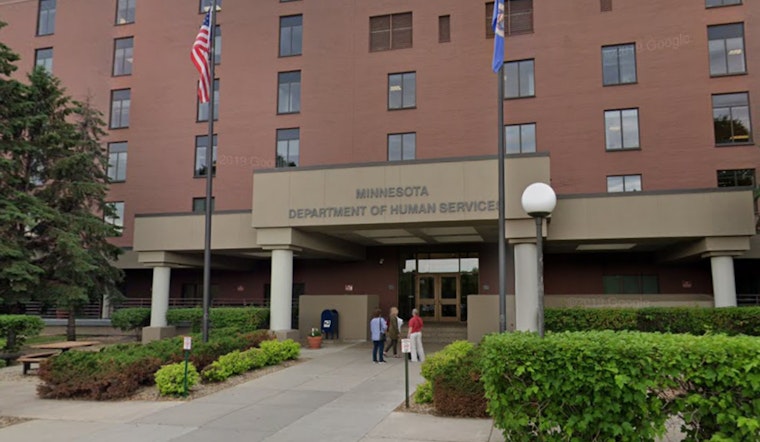
Minnesota's battle against Medicaid fraud appears to be yielding positive results, according to a recent federal review. Data from the U.S. Centers for Medicare & Medicaid Services (CMS) revealed that Minnesota’s Medicaid program is performing well with an improper payment rate of slightly over 2.1%, a figure considerably lower than the 6.1% national average. Remarkably, this low error rate was recorded even before several new anti-fraud strategies were put into action by the state's Department of Human Services, as reported by the Minnesota Department of Human Services.
"No amount of error or fraud is acceptable. Even one dollar is too much," Temporary Human Services Commissioner Shireen Gandhi stated, expressing a zero-tolerance stance towards improprieties. Gandhi's commitment to "making Minnesota a national model for preventing fraud and catching errors" is clear, as she highlighted the review results to demonstrate the state's firm internal controls, which are poised to further improve. The data arrives at a crucial time as federal authorities are considering withholding a substantial $2 billion in annual funding unless program integrity is assured, according to the same source.
Since late 2024, Minnesota's Human Services Department has been proactive, introducing various processes designed to detect and prevent fraud. The department has flagged 14 high-risk services, published a Medicaid program integrity webpage for public oversight, and implemented rigorous auditing procedures for autism service providers, including on-site visits. Not stopping there, Minnesota has also stopped the Housing Stabilization Services program and placed a moratorium on new service providers for high-risk services.
Additional preventative measures have included establishing licensure for autism centers, disenrolling inactive providers, and beginning to enhance pre-payment review procedures for fee-for-service payments in these high-risk categories. The state is also developing plans to thoroughly review and revalidate current providers. "The CMS review confirms DHS is doing better than the national average in complying with Medicaid payment requirements," Gandhi said, underscoring the progress made. The state further aims to fortify its integrity measures by hiring independent consultants to double-check payments, audit processes, and recommend additional changes moving forward, as obtained by the Minnesota Department of Human Services.
The CMS review, with its rigorous methodology of checking billing statements against medical records, serves as a baseline indicator of the department's continued vigilance. Minnesota officials regard this federal oversight not just as a measure but as a foundational tool to uphold the integrity and efficiency of the benefits programs administered across the state.





