

























































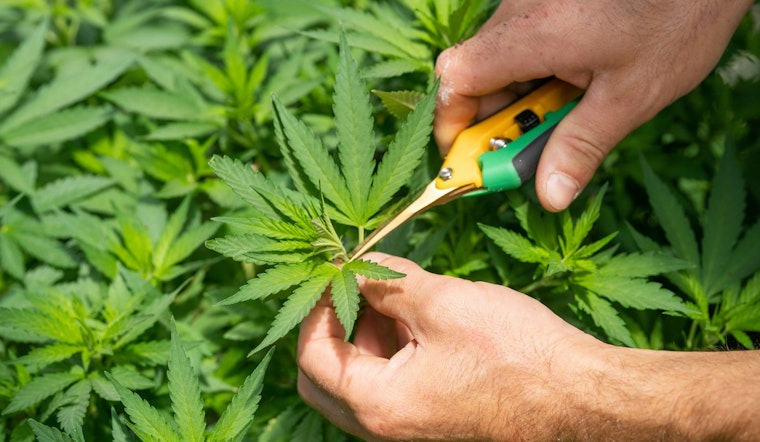
After more than a decade of failed attempts, Washington lawmakers are once again trying to let adults grow their own cannabis at home, kicking off yet another round in the state’s long-running marijuana tug-of-war.
The latest proposals would allow adults 21 and older to cultivate a small number of plants at home, while creating penalties if those plants can be seen from outside or if their smell drifts into public spaces. The Senate Labor & Commerce Committee took testimony on the plan Monday, and the companion House bill is slated for a committee hearing on Friday.
What the bills would allow
Under the Senate bill text, Senate Bill 6204, carried by Sens. Rebecca Saldaña, Noel Frame, and T'wina Nobles, would let a person 21 and older produce and possess up to six cannabis plants at the housing unit they occupy. Two adults living together could grow up to 12 plants, and households with three or more adults could grow up to 15.
The measure sets up a tiered penalty system: going over those limits could bring civil infractions, while larger, more serious offenses would remain criminal. The proposal also spells out that the Liquor and Cannabis Board would not be the agency enforcing the home-grow rules.
A companion bill, HB 2614, was introduced in the House by Rep. Shelley Kloba and is scheduled for a House hearing this week, according to LegiScan.
Supporters frame it as an equity and privacy fix
Supporters say home cultivation would help unwind part of the unequal policing that followed cannabis prohibition and would give adults more privacy inside their own homes.
A 2022 report from the Social Equity in Cannabis Task Force found that, on average between 2013 and 2019, Black people were five times more likely and Hispanic people 2.4 times more likely than white people to be arrested for home growing. Advocates repeatedly cited those numbers during this week’s hearing.
“We are not your competition. We’re your neighbors and your customers,” John Kingsbury, chair of the patient committee for the Cannabis Alliance, told OPB during the hearing, arguing that small personal grows would not undercut the legal market.
Opponents warn of enforcement headaches and lost tax revenue
Cities and law enforcement groups countered that the legislation would pile new enforcement burdens on local police and further normalize marijuana use for young people.
James McMahan of the Washington Association of Sheriffs and Police Chiefs told OPB the association is “concerned about the continued normalization of marijuana to our young people.”
Opponents also pointed to the bottom line. Cannabis purchases in Washington are subject to a 37 percent state excise tax, and critics warned that if people start growing their own instead of heading to dispensaries, the state could lose millions in retail excise tax collections. The Department of Revenue outlines the state’s 37 percent marijuana excise tax rate.
Enforcement details and carve-outs
The proposals include several carve-outs aimed at limiting risks to children and at protecting property owners.
Growing cannabis would be prohibited in homes used as foster family homes or in family day-care residences. Property owners would be allowed to ban cultivation by renters through lease terms.
The bills would make it a class-three civil infraction if plants are visible from public property or if their odor is detectable from public property. Law enforcement would be allowed to seize and destroy plants produced or possessed in excess of the authorized amount, according to the bill language.
What’s next in Olympia
SB 6204 is still in the early stages of the 2026 session after Monday’s Senate hearing, and HB 2614 is set for a public hearing on Friday. If either committee moves the bills forward, they will head into the usual gauntlet of fiscal review and floor debates.
As lawmakers weigh the measures, they will be balancing arguments about racial equity and personal privacy against concerns over enforcement logistics and potential fiscal impacts, according to the public bill records available online.
The fight itself is nothing new. These proposals revive a debate that has flared almost every year since Initiative 502 legalized recreational cannabis sales in 2012. Supporters cast the home-grow bills as a long-overdue correction to unequal enforcement and unnecessary criminal penalties, while opponents say they would complicate policing and chip away at a tax base that funds state programs.





