

























































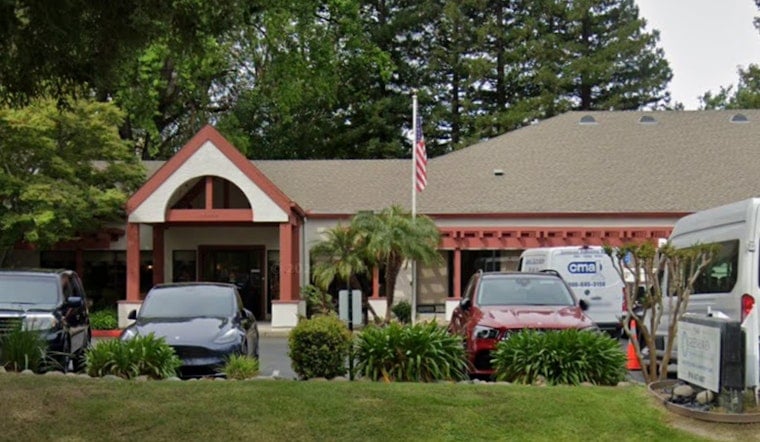
A Sacramento family says their 100-year-old matriarch, Mildred Hernandez, slipped out of a memory-care community on a cold day and later died from hypothermia. Relatives told reporters that Hernandez, who had dementia, was found outdoors showing signs of prolonged exposure to the cold. Her death is now at the center of a court fight over the care she received.
In testimony described in local coverage, relatives allege that Hernandez managed to leave Greenhaven Estates and was later found dead from exposure. According to ABC10, the account surfaced during an elder-abuse and wrongful-death case that family members say is meant to probe how she was able to leave the facility in the first place. The family says Hernandez’s dementia left her unable to recognize danger or protect herself from harsh winter conditions.
Dementia, wandering and winter risk
Wandering is a well-documented and common risk for people living with dementia, and cold weather can turn that behavior into a life-threatening emergency in short order. A national review and Alzheimer’s research estimate that roughly 35% to 60% of people with dementia will wander at least once, and missing older adults with cognitive impairment face a sharply higher risk of dying from exposure. Those studies identify hypothermia and drowning among the leading causes of death when people with dementia are missing for extended periods, which is why families and advocates push hard for answers when a vulnerable person leaves a care setting and does not survive. For a detailed summary of the research on wandering and risk, see Alzheimer’s disease facts and figures (2025).
Legal stakes for providers
California criminal law includes specific protections for older and dependent adults. The state Attorney General’s office explains that Penal Code § 368 covers abuse and neglect of elders and dependent adults and can be charged as a misdemeanor or a felony, with tougher sentences when conduct results in great bodily injury or death. Families may also sue in civil court. A wrongful-death claim can be brought under California Code of Civil Procedure § 377.60. For more detail on how those laws work and the penalties involved, see the California Department of Justice overview and the state’s wrongful-death statute (CCP § 377.60).
Who investigates and how to report concerns
Which state agency steps in depends on the kind of facility involved. The California Department of Public Health (CDPH) handles complaints about medical long-term care facilities, while the Department of Social Services’ Community Care Licensing Division (CCLD) oversees assisted-living communities and residential care facilities for the elderly.
CCLD operates a complaint hotline (1-844-LET-US-NO / 1-844-538-8766) and outlines how complaints trigger investigations and how those cases are tracked. CDPH publishes information on complaint and investigation timelines for health care facilities. Local Adult Protective Services (APS) offices also accept reports of suspected elder abuse, and regional organizations such as Agency on Aging Area 4 list APS numbers for counties in their area. For step-by-step information on filing complaints or reports, see the CDSS CCLD complaint page, the CDPH CalHealthFind complaint guidance, and local APS contact details from Agency on Aging Area 4.
Relatives say they plan to keep pressing their case in Sacramento court as the proceedings continue. For the family’s account and additional courtroom reporting, see coverage from ABC10.



