

























































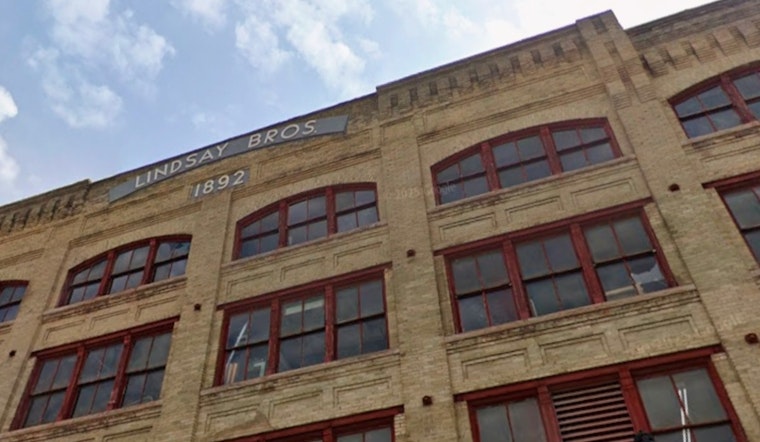
Two hulking Cream City brick warehouses on South Second Street may finally be trading pallets for pillow‑tops. A fresh round of permits suggests the long‑talked‑about conversion of the historic Lindsay and Walsh buildings near Walker’s Point into housing is back in motion, with an estimated development cost of about $30 million in a rental market that is already tight.
According to the Milwaukee Business Journal, permits for the project were filed yesterday, and the outlet pegged the total price tag at roughly $30 million. The publication noted the new filing but did not list a construction start date, leaving financing and city approvals as the big remaining hurdles before any hard hats show up on site.
Earlier Plan Envisioned 182 Apartments
The idea of filling these warehouses with residents is not new. In 2022, a Chicago development team floated a plan to convert the Lindsay Bros. and F.A. Walsh buildings into 182 apartments. That concept called for 118 units in the larger Lindsay building at 126 S. Second St. and 64 units in the Walsh building at 160 S. Second St., as first detailed by Urban Milwaukee, which also shared renderings and permit information at the time.
Who Is Driving The Latest Push?
The project’s digital paper trail shows the concept has evolved. A listing from Whitecap Projects pitches the Lindsay and Walsh buildings as an adaptive reuse opportunity and describes a vision of roughly 200 units. Earlier coverage tied a Chicago group to the 2022 proposal, while Whitecap now identifies itself as working with the longtime owner on a redevelopment strategy for the properties.
Design, Financing And The Tax Credit Puzzle
Renderings from earlier rounds of planning show refurbished historic facades and a modern addition built above the alley to connect the two buildings while preserving their warehouse character. Engberg Anderson Architects released those images in 2022, and investor materials circulating online suggest the numbers only work if the project leans heavily on state and federal historic rehabilitation tax incentives.
A marketing prospectus argues that the site’s location, wedged between the Historic Third Ward and downtown, makes it a strong candidate for historic credits that some materials estimate at nearly $20 million. MarketImpactCapital lays out that tax credit strategy as a key part of the conversion’s financial blueprint.
What Happens Next
With permits now in the city’s hands, the next chapters are fairly predictable: municipal review, potential historic preservation filings and, crucially, locking in financing before any construction timeline gets nailed down. The Milwaukee Business Journal characterized the latest permit action as an early step and again noted that no start date has been disclosed.
Previous concepts for the site tried to get ahead of neighborhood concerns by baking parking into the deal, including the option to acquire an adjacent lot. Nearby residents and businesses will likely be watching closely to see whether the revived plan sticks with that approach and how construction logistics play out on the block. Urban Milwaukee has previously detailed that parking strategy as part of the proposal.




