

























































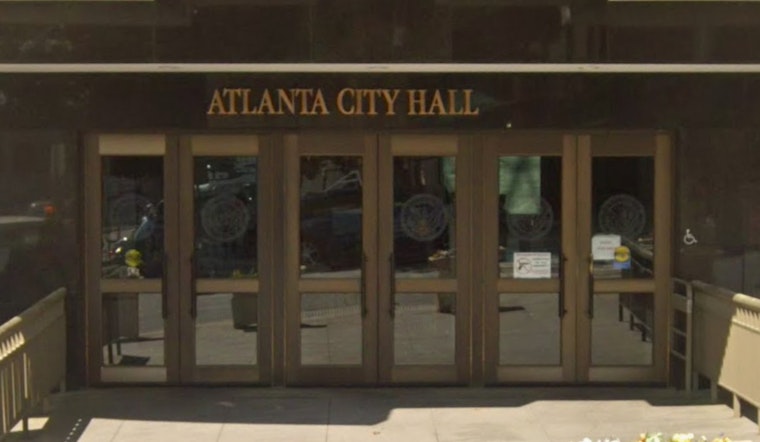
Atlanta is telling new buildings to lighten up at the front door.
On Thursday, Atlanta City Council signed off on a new rule that will require push-button activators at primary, street-facing entrances of most newly constructed commercial and publicly accessible buildings across the city. Supporters say the move strips away everyday obstacles and makes storefronts and sidewalks more usable for people who rely on wheelchairs, walkers or canes, as well as anyone who has ever tried to wrestle a heavy glass door while juggling a coffee.
What the rule requires
As reported by Atlanta Business Chronicle, the council approved an amendment to the city’s zoning rules that makes push-button activators standard equipment at primary pedestrian entrances. Developers will now be directed to include devices that trigger automatic door openers wherever new street-fronting entrances are built, instead of leaving those installations to each property owner’s discretion.
How the change is written
According to Atlanta City Council, the ordinance is tightly focused. Single-family and two-family homes are exempt, and the requirement centers on doors that face the sidewalk and serve as primary public entry points. City communications describe the measure as a way to chip away at the “small but constant” barriers that can turn a simple errand into a logistical puzzle for people with mobility challenges.
Why supporters pushed it
Councilmember Carden Wyckoff has been explicit that this one is personal.
“This isn’t abstract policy for me,” she said when she introduced the idea last fall, noting she has “rolled up to doors in Atlanta that I simply couldn’t open.” The comments appear in a council press release about the measure, where Wyckoff and other advocates cast the ordinance as a straightforward, low-tech step toward a more accessible city rather than a flashy overhaul of the built environment.
How it moved through the council
The proposal first surfaced in the fall, then worked its way through City Hall’s usual maze. It cleared the Zoning Committee in January before heading to the full council for a final vote, according to WSB Radio. Supporters told committee members the rule would modernize an older zoning framework and line up with the city’s broader effort to rewrite and streamline its development code.
Why advocates say it matters
Federal health surveys show that roughly one in four U.S. adults reports having a disability, with mobility limitations among the most common. Data from the Centers for Disease Control and Prevention underscores how widespread those challenges are, which advocates say makes push-button doors less of a niche amenity and more of a basic usability fix.
City planners are not exactly starting from scratch, either. Similar accessibility expectations have already appeared in special zoning rules in parts of Midtown, according to Urbanize Atlanta, giving officials at least one local test case for how the requirement can work on the ground.
What it means for builders and the city
Anytime city leaders tighten construction rules, developers tend to reach for the calculator. Concerns about added costs surfaced loudly during recent fights over the city’s tree regulations, including a pared-back version of The Atlanta Journal-Constitution described as a compromise tree ordinance. That debate showed how quickly a policy aimed at public benefits can collide with bottom-line worries in the building industry.
Accessibility advocates expect some of the same scrutiny here, even though push-button systems are a far smaller-ticket item than a major design change. As reported by Atlanta Business Chronicle, council members say they anticipate working out implementation details and timelines with the city’s planning staff so developers know exactly what is required and when.
For now, the zoning change is approved, and the Office of Zoning and Development is the place to watch for plan-review guidance, compliance schedules and administrative rules. We will update this space when the city publishes the full ordinance text and accompanying implementation details.




