

























































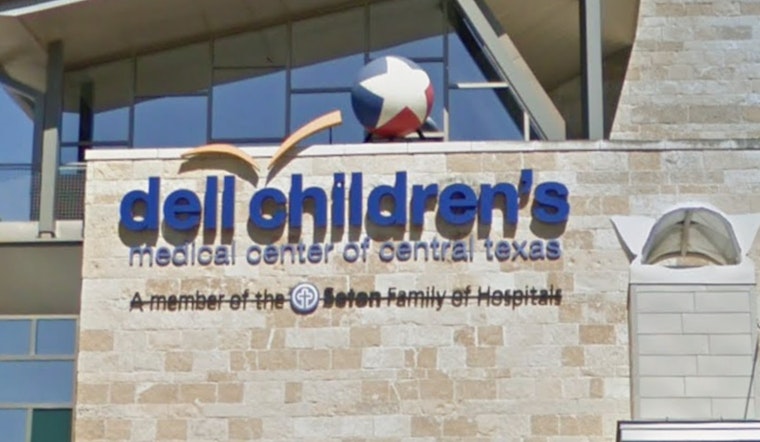
When 4-year-old Avry Jo Schapansky needed a bone-marrow transplant as part of her neuroblastoma treatment, her family braced for the possibility of months in a distant city. Instead, the surgery happened in their own backyard. Dell Children's Medical Center performed the transplant in Austin, keeping Avry close to home through the long haul of therapy and recovery. Dell Children's Medical Center
Austin's Homegrown Transplant Program Opens
Dell Children's has expanded its pediatric stem-cell capabilities so families no longer have to leave Central Texas for complex transplants, according to the hospital's service pages. The Children’s Blood and Cancer Center now lists bone-marrow transplantation among its services and notes that chemotherapy, radiation, and post-transplant care can all be coordinated in one place. Dell Children's Medical Center
Inside One Family's Fight
Avry's family has mapped out the journey in a SupportNow registry, logging the diagnosis, multiple hospital stays, stem-cell harvests, and the stretches at home between rounds of care. Their updates highlight how having the transplant done in Austin shortened time apart from siblings and eased the heavy logistical load that comes with long out-of-town treatment. SupportNow
New Leadership, New Specialists
Hospital leaders say the push to bring pediatric transplants to Austin has been driven by Dr. Amir Mian, recruited to grow hematology-oncology and transplant capacity. Dell Medical School lists Mian as division chief of pediatric hematology-oncology and notes his previous work directing transplant programs at other centers. Dell Medical School
Inside the Transplant Playbook
The program started with autologous transplants (using a patient’s own stem cells) while the team built dozens of standard operating procedures, installed specialized ventilation rooms, and signed on regional partners to collect and process cells. Materials from Dell Children's Foundation describe collaborations with We Are Blood and Carter BloodCare and outline plans to submit outcome data to the national registry as the hospital moves toward formal accreditation. Dell Children's Foundation
Why It Matters for Central Texas Families
Before this program came online, many Central Texas children had to leave the region for months of transplant care, a setup hospital leaders say often led to long family separations and major travel costs. Local reporting notes that Dr. Mian estimates roughly 15 to 20 children at any given time used to be sent elsewhere for that level of treatment. Austin American-Statesman
Philanthropy Fuels the Next Steps
Community philanthropy helped speed the transplant buildout, backing staffing, training, and the specialized infrastructure needed to keep care close to home. Foundations, including the Shivers Cancer Foundation, have provided endowed support that hospital leaders say made it possible to recruit experts and develop the program. Shivers Cancer Foundation
For families like Avry's, the impact is tangible: parents can sleep just down the hall, and siblings can stop by during short breaks instead of enduring weeks apart. Hospital officials say the center plans to keep expanding services and to pursue formal accreditation in order to offer a wider range of transplant and cell-therapy options in the years ahead. Dell Children's Foundation



