

























































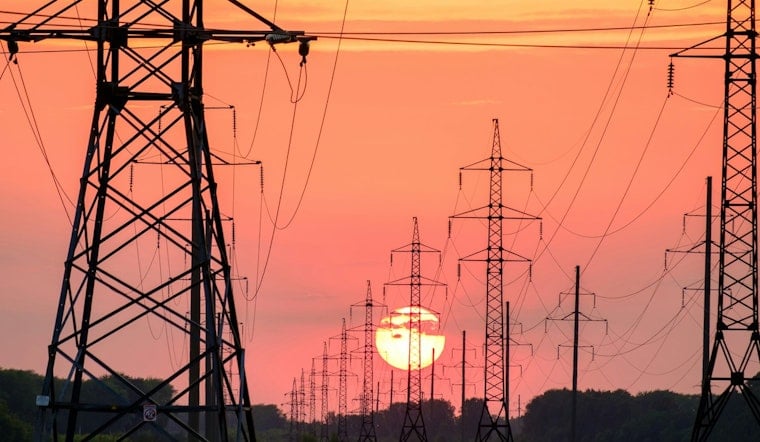
Texas grid managers just signed off on one of the biggest transmission gambles in state history, a roughly $9 billion buildout that aims to unclog power bottlenecks and move far more electricity across ERCOT territory.
This week, ERCOT's board voted to advance the first slice of its Strategic Transmission Expansion Plan, a network centered on extra high voltage 765 kilovolt lines that planners say can move power longer distances with fewer losses. The early work, which covers initial buildout and permitting, is expected to play out over about five to six years, although the actual pace will depend on permits, supply chains, and how quickly utilities can build. Regulators have already signaled they will be watching for cost overruns and schedule slips as the plan shifts from engineering studies into dirt work.
As reported by CBS Austin, the board locked in its approval on Tuesday, and officials repeatedly described the new 765 kV network as a kind of “super highway” for electricity. A spokesperson for the Public Utility Commission of Texas told the station that regulators are “very aware” of public concern over potential budget blowouts and delays. With the vote in the books, regional transmission providers and utilities can begin nailing down project assignments, right-of-way work, and detailed construction plans.
What The Plan Covers And The Price Tag
ERCOT's planning documents show that the initial $9 billion is only a down payment on the wider Texas 765 kV Strategic Transmission Expansion Plan, or STEP. The full STEP package is pegged at about $32.99 billion and calls for roughly 2,468 miles of new 765 kV line, along with upgrades to existing 345 kV and 138 kV circuits. According to ERCOT, the operator is planning on about $5 billion per year in transmission investment over a six-year horizon to put the core package in place. Its analysis argues that a 765 kV backbone would allow higher transfer capability, lower line losses, and deliver greater long-term consumer cost savings than a plan built strictly around 345 kV lines.
Industry analysts have backed parts of that economic case, noting that extra high voltage infrastructure requires more cash up front but can cut curtailments and unlock large volumes of renewable and storage capacity that are now stuck behind transmission constraints. Enverus Intelligence Research has pointed to how a 765 kV backbone could speed up interconnections and drive down long-term congestion costs, which is the central trade-off utilities, developers, and regulators are now wrestling with.
Why ERCOT Says The Work Is Needed
Grid planners are facing an unprecedented surge in large load requests, particularly from hyperscale data centers and other energy-hungry industrial users, and that wave has reshaped ERCOT's demand forecasts while piling more pressure on already crowded corridors. As reported by The Dallas Morning News, data center proposals have become a key driver in ERCOT's higher long-term demand outlook and its push for much stronger long-distance transfer capability. Without higher capacity lines, grid planners and developers warn that the new generation in remote resource zones could face even more curtailment and that congestion costs could climb and show up on consumer bills over time.
Who Will Build It And What Comes Next
Transmission owners are already jockeying to build major pieces of the network. Recent statements from PR Wire News and other utilities outline multibillion-dollar capital plans that assume ERCOT endorsed 765 kV projects, and AEP Texas has sketched out early concepts for multi-hundred-mile 765 kV routes into central Texas. With project assignments still to be handed out and permitting and supply chain constraints unresolved, utilities say the next phase will bring specific timetables, public notices, and local impact studies.
Regulatory Oversight And What To Watch
The initiative will unfold under tight scrutiny from the Public Utility Commission and the Texas Legislature, which in 2025 moved to ramp up oversight, fund new dispatchable generation, and tighten coordination rules for very large loads. The Texas Tribune has tracked those bills and the broader push for more transparency in both grid planning and cost allocation. Regulators have said they will monitor cost overruns, schedule slips, and any impacts on consumer rates as the projects migrate from study status to real-world construction.
For Austin and other fast-growing Texas metros, the ERCOT board vote is both a milestone and the starting gun. It launches a long-range effort to move more power into booming load centers, and it sets up a lengthy run of public hearings, permitting battles and rate fights that will ultimately decide whether the new “power superhighway” delivers on its reliability and affordability promises, on time and on budget.





