

























































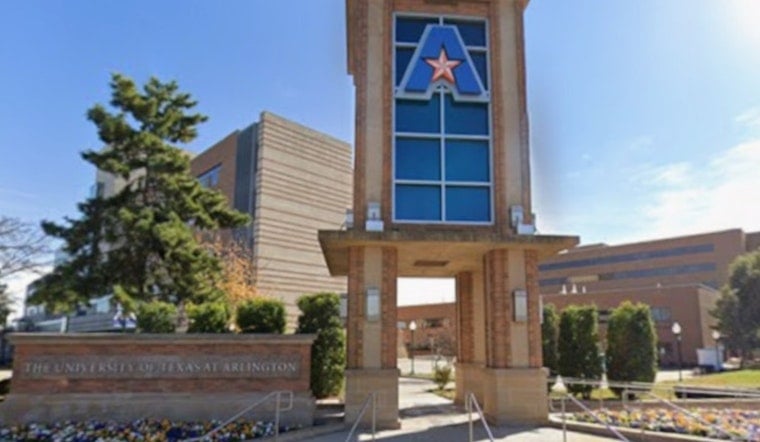
Rice University and the University of Texas at Arlington are teaming up on a real-time flood-warning system for the Texas Hill Country, a region where flash floods can turn deadly in minutes. The governor’s office has put $4 million behind the effort, awarding the funds to UT Arlington to lead the project, with Rice coming in as a subawardee.
What the System Will Do
The new setup is designed to tell people not just that a flood is coming, but how deep the water is likely to get at specific locations. The system will blend radar-derived rainfall estimates, stream-gauge readings, and advanced hydrologic and hydraulic models to forecast flood depths with fine-grained detail. Rice University notes that the approach builds on decades of work by its SSPEED Center to protect Houston infrastructure and can be adapted to rural watersheds.
Who’s Leading the Work
UT Arlington’s Water Engineering Research Center (WERC) will run point on designing and deploying the system across the Hill Country, with WERC director Nick Fang overseeing a high-resolution, Texas-focused monitoring and modeling network, UT Arlington says. “This investment allows us to move from research to real-time action,” Fang said in a statement, according to UT Arlington.
Why Now
The project arrives in the shadow of the catastrophic July 4, 2025, flash floods that tore through the Guadalupe River basin and killed more than 130 people, exposing serious gaps in rural alerting and emergency response. The speed and scale of that disaster, along with criticism that some Hill Country warning systems were spotty at best, pushed state and university leaders to accelerate radar-integrated warning platforms, the Houston Chronicle reported.
How Communities Will Use It
Researchers say the Hill Country platform will feed near-real-time radar and gauge data into operational models that can give emergency managers location-specific depth forecasts before creeks and rivers cross critical thresholds. UT Arlington adds that installing equipment is only half the job, and that the rollout will be paired with training and coordination so local officials can turn those forecasts into targeted alerts and evacuation calls.
Officials have not put a firm public date on full operation of the system, but they say UTA will begin field deployments and stakeholder workshops this year, with Rice focused on model development and testing. Lawmakers and communities watching the rollout are betting that this state-backed, science-driven approach, pushed hard by legislation and public pressure after last summer’s disaster, will give rural Texans the extra minutes that save lives, The Texas Tribune noted.





