

























































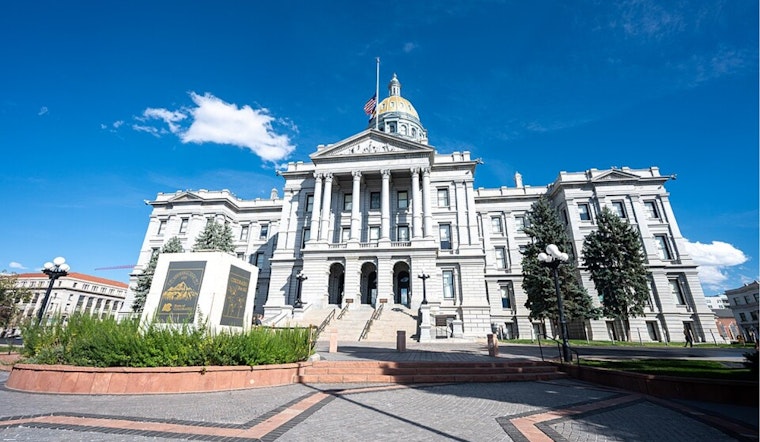
Colorado lawmakers are moving to enshrine key federal workplace safety rules in state law, providing workers with a new avenue to challenge unsafe job sites and bolstering enforcement efforts. House Bill 26-1054, introduced this month, would write OSHA’s “general duty” requirement into Colorado statute so employers must keep workplaces free from recognized hazards. Backers say it is meant to serve as a safety net if federal protections are rolled back or federal enforcement does not keep pace.
What the bill would do
HB26-1054 would require employers to ensure workplaces are free from “recognized hazards,” interpreted in line with the federal OSHA general duty clause as it exists on Sept. 1, 2025. The bill would allow the attorney general, the Colorado Division of Labor Standards and Statistics, a labor organization, or an aggrieved person to bring civil actions, with any penalties flowing into a new Workplace Health and Safety Fund dedicated to enforcement and education. It would also allow the department to adopt state standards to replace federal rules if those rules are repealed or weakened, according to the Colorado General Assembly.
Why sponsors say it is needed
Rep. Elizabeth Velasco, a Glenwood Springs Democrat sponsoring the bill, called the general duty clause “the essence of employers to keep employees safe at work,” according to the Kiowa County Press. Co-sponsor Rep. Manny Rutinel argued that cuts in federal enforcement have effectively given “bad actors a green light to cut corners,” the same report notes. Supporters point to a sharp drop in federal inspections last year, citing a report from Good Jobs First that found OSHA activity and cases fell markedly in 2025.
The numbers behind the push
Workplace fatalities are adding urgency to the debate. The U.S. Bureau of Labor Statistics recorded 92 Colorado workers fatally injured on the job in 2024. Supporters say those deaths, many in construction and maintenance roles, highlight the need for a state-level backstop if federal protections erode. Lawmakers in both parties agree that enforcement and rulemaking are shifting at the federal level, even as they disagree on how far Colorado should go in response.
Who backs it and who is bristling
The proposal has lined up civil rights and labor groups on one side and several business organizations on the other. Supporters include ACLU Colorado, multiple labor unions and the Colorado Center on Law and Policy. Opponents cited in testimony and commentary include the Associated Builders & Contractors Rocky Mountain Chapter, the Colorado Hospital Association and the Colorado Association of Homebuilders, according to the Kiowa County Press. Some legal analysts and employer-focused commentators worry that the bill’s private right of action could trigger a wave of lawsuits similar to California’s PAGA regime, increasing liability and defense costs for employers, as noted by Law Week Colorado.
Legal implications
In addition to rulemaking authority, HB26-1054 would create a dedicated civil enforcement track. Courts could award statutory damages and assess penalties that flow into the new Workplace Health and Safety Fund. The bill’s fiscal analysis outlines potential penalties of up to $1,000 for a violation, up to $10,000 for subsequent violations and up to $70,000 for willful violations, along with rules for how that money can be used for rulemaking, outreach and enforcement. Those remedy provisions, and the prominent role given to the attorney general, the Colorado Department of Labor and Employment, labor groups and aggrieved individuals as potential plaintiffs, are at the center of the legal and policy fight lawmakers are preparing to have.
What happens next
HB26-1054 is scheduled for its first hearing in the House Business Affairs & Labor Committee on Thursday, Feb. 26, and it does not yet have a Senate sponsor, according to bill tracking. If it clears the committee, the measure will head to the full House, then the Senate, where business opposition and litigation concerns could shape its path. Lawmakers and advocates on both sides say upcoming testimony will zero in on how to balance tougher enforcement and safer worksites with compliance costs and legal exposure for employers.





.jpg)