

























































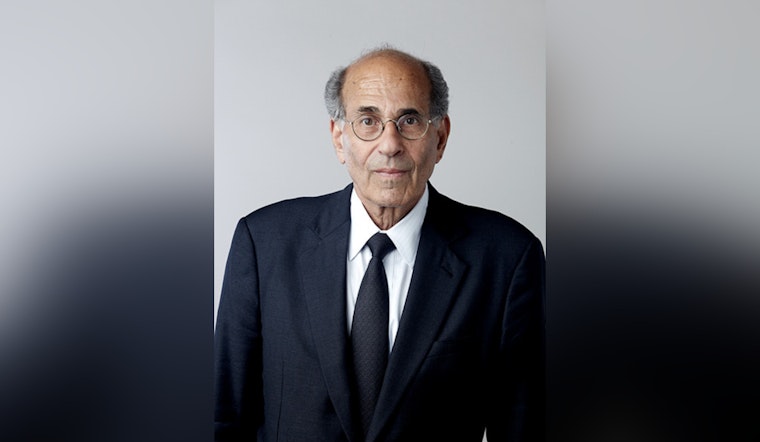
Dr. Richard Axel, a Nobel Prize-winning neuroscientist and founding co-director of Columbia’s Mortimer B. Zuckerman Mind Brain Behavior Institute, has stepped down from his leadership post after his name surfaced in newly released Justice Department documents tying him to Jeffrey Epstein. The move, announced Tuesday by the university, lands just as journalists and investigators dig through a massive cache of records that has thrown Epstein’s network back into the spotlight. Axel, whose groundbreaking work on the sense of smell helped shape the mission of the Zuckerman Institute, remains a prominent Columbia researcher.
Columbia statement and Axel's apology
Columbia said Axel informed the university that he would give up his role as co-director and had also resigned his investigator position at the Howard Hughes Medical Institute. In a statement released by Columbia University, Axel called his association with Epstein a "serious error in judgement" and apologized for "compromising the trust of my friends, students and colleagues." The university added that it has seen no evidence Axel violated any Columbia policy or the law, but said it agreed that him stepping down from his leadership role was the right call given what the documents revealed.
What the files show
The records now in circulation include emails and logs that place Axel at Epstein’s Manhattan residence and describe him at times acting as a go-between for Epstein with Columbia officials on matters involving admissions and philanthropy. According to The New York Times, those details have intensified questions about how universities vetted wealthy donors and social contacts. The reporting does not allege that Axel engaged in criminal conduct, but the disclosures have added fuel to growing demands for sweeping institutional reviews of donor relationships.
How the files surfaced
The Department of Justice put more than 3 million pages of material online in late January under the Epstein Files Transparency Act, a release that included images, videos and thousands of documents from investigations into Epstein and his associates. As outlined by the Department of Justice, the release represented a major batch of responsive records and has since powered an ongoing wave of reporting and independent review. The publication has also pushed universities, corporations and public officials to reexamine past connections to Epstein and to weigh personnel changes and policy reforms.
Wider fallout
The disclosures have triggered a broader reckoning far beyond Morningside Heights, with resignations and investigations popping up across sectors as organizations try to put distance between themselves and people named in the trove. The Washington Post reports that the files have already contributed to departures and probes in government, finance, academia and the arts. For Columbia, Axel’s step-back adds fresh pressure to explain earlier choices around fundraising and admissions and to show that stronger guardrails are now in place.
What comes next
Columbia says it will continue reviewing the documents and assessing what they mean for the institution, even as Axel stays on as a faculty member and continues running his laboratory at the Zuckerman Institute. Lawmakers and survivors are also pressing universities for documents and testimony on how Epstein leveraged ties with colleges and donors, according to House Judiciary Committee Democrats, pointing to the likelihood of formal oversight efforts. As those reviews and potential inquiries unfold, Columbia and its peers will be under scrutiny over whether their current systems truly protect students and preserve the integrity of both admissions and philanthropy.





