

























































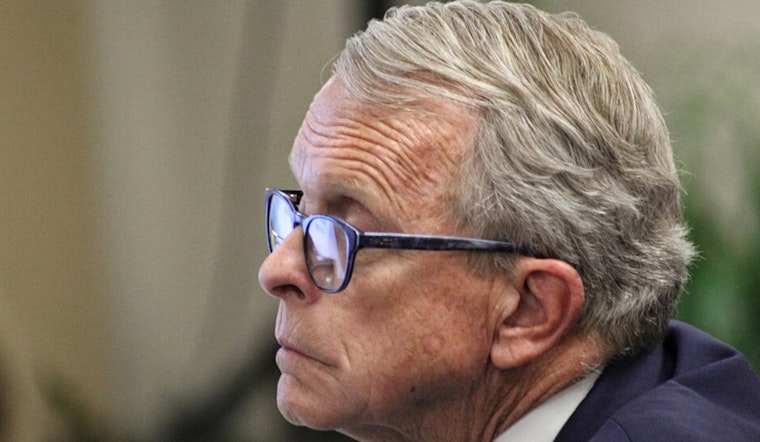
Ohio House Speaker Matt Huffman is drawing a line on death row. On Wednesday, he warned that Republicans would "vigorously" resist any move to abolish the state’s death penalty if Gov. Mike DeWine comes out against it, signaling a looming high-profile clash at the Statehouse.
Huffman’s comments, and word that DeWine is expected to soon publicly oppose capital punishment, were first reported by Cleveland.com. The outlet quoted Huffman criticizing DeWine for repeatedly postponing execution dates, including the case of Cleveland Jackson. Huffman told reporters he would "vigorously oppose" any repeal effort and suggested many House Republicans are right there with him.
The governor has repeatedly delayed scheduled executions and has effectively kept a moratorium in place since 2019. He has cited problems obtaining lethal-injection drugs and concerns that pharmaceutical suppliers might respond by withholding other medicines from the state, according to the Associated Press. DeWine has said executions will remain halted unless lawmakers approve a shield law that protects drugmakers, a stance that has ramped up pressure on the General Assembly.
Statehouse divide
Lawmakers are openly split. Some have introduced bipartisan bills to abolish the death penalty, while others are pushing measures aimed at restarting executions. There are also proposals on the table to permit nitrogen hypoxia as an alternative method. The debate is not abstract. The Ohio Department of Rehabilitation and Correction reported 111 people on death row in 2025, as noted by Cleveland.com, and repeal sponsors have leaned on both fiscal and moral arguments in recent hearings. Coverage of the repeal push has been detailed by outlets including the Ohio Capital Journal.
What’s next
Any permanent change to Ohio’s death penalty would have to run through the legislature. The General Assembly would need to pass a repeal, and the governor would then sign it, which is why Huffman’s opposition carries weight. DeWine is term-limited and leaves office in January 2027, so the political clock is running. What the governor and legislative leaders say in the coming weeks, and how campaigns frame the issue, could determine whether repeal gains real traction before the next administration arrives.
Practical hurdles
Even if the politics line up, practical and legal obstacles are still substantial. Drug manufacturers have largely refused to sell medicines for executions, and many lawmakers argue that a shield law would be necessary to persuade suppliers to cooperate. National data place Ohio among the states where executions have stalled in recent years, and policy groups have flagged the logistical and legal problems that would follow any attempt to flip the switch back on, the Death Penalty Information Center reports.
DeWine’s expected statement, coupled with Huffman’s promise to fight it, guarantees that Ohio’s death-penalty debate will not fade quietly into the background. Expect the issue to show up in hearings, campaign talking points and floor fights at the Statehouse as lawmakers and voters decide whether the death penalty still has a future in Ohio.





