

























































Public health officers across the U.S. Public Health Service are resigning rather than accept orders to deploy to Guantánamo Bay to care for immigrants detained there. Their decisions follow accounts from officers who already served at the base and described chaotic assignments, long waits for basic lab work, and the psychological strain of treating men held in high-security blocks. For a corps that also serves as a surge medical response force, the wave of departures is both an ethical dilemma and a practical hit to federal public health readiness.
In reporting by KFF Health News, nurses including Rebekah Stewart and Dena Bushman said they chose to resign rather than be sent to Guantánamo. Stewart told the outlet she "pleaded with the coordinating office" before quitting after a decade of service. Officers interviewed said they were not fully briefed on what the assignments would entail and feared their work would effectively help facilitate the administration's immigration operation. They also described operational headaches, such as tests that took far longer to process than they would in the United States.
What Officers Describe On Base
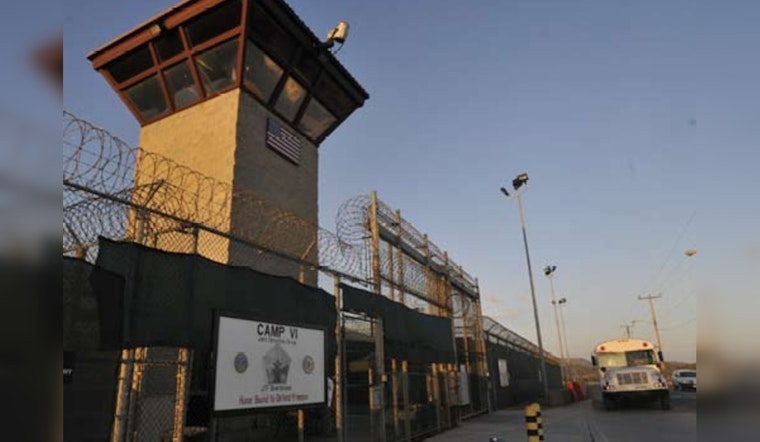
Those who worked on the base said migrants were held in both low-security barracks and Camp 6, a dark, high-security block with little natural light, according to reporting by the Miami Herald. Clinicians reported that a limited Navy hospital and complex, multiagency logistics meant routine lab results and specialist consults could be delayed for days or even weeks. Officers told reporters that screening protocols excluded some older or chronically ill people before transfer, but that emergency medical evacuations back to Florida were still sometimes needed.
A Small Corps With Big Demands
The Public Health Service is comparatively small, with about 5,000 uniformed, non-combatant officers by most counts, and a recent spate of departures has sharpened concerns about capacity, reporting by NPR and local outlets shows. One local report said roughly 340 officers left the service last year, many citing moral distress tied to detention-related assignments. Leaders warn that every clinician who walks away shrinks the surge bench the federal government relies on for hurricanes, outbreaks, and other large-scale emergencies.
Costs And Policy Tradeoffs
Keeping detainees on an offshore military base is also expensive and logistically fraught. Outlets have cited a 2025 Washington Post analysis that put the cost at roughly $16,500 per detainee per day, and Congress has moved unprecedented sums toward immigration enforcement that expand ICE's detention capacity, according to TIME. Officers say those policy choices corner clinicians into difficult tradeoffs between following deployment orders and providing timely, evidence-based care.
Legal Challenges
Civil-rights groups have already taken legal aim at the Guantánamo transfers. The ACLU and partner organizations sued to demand phone, video, and in-person access to migrants flown to the base, arguing detainees were being held "incommunicado," a development first reported by Reuters and republished by VOA. The lawsuits raise constitutional and due-process questions about holding civil immigration detainees outside the continental United States.
What Public Health Leaders Warn
Public health experts say the resignations could ripple far beyond Guantánamo. The USPHS Commissioned Corps is treated as a deployable federal asset in disaster response, and sustained attrition means fewer clinicians available to staff shelters, mass-casualty responses, and outbreak investigations, according to a Congressional Research Service overview. Local reporting and public health advocates argue that policymakers need to reckon with the human and operational costs of using scarce clinical staff to support detention operations instead of traditional emergency missions. The debate now centers on whether enforcement priorities are racing ahead of the nation's ability to guarantee humane, timely medical care.
"I couldn't reconcile serving in a job that requires me to be complicit in this operation," one nurse told reporters, and others echoed that sense of moral compromise, the Miami Herald reported. For clinicians caught in that bind, the choice is stark and personal: stay and try to change things from within, or walk away from a uniformed career that, for decades, was more closely associated with disaster relief and disease control than with detention.




