

























































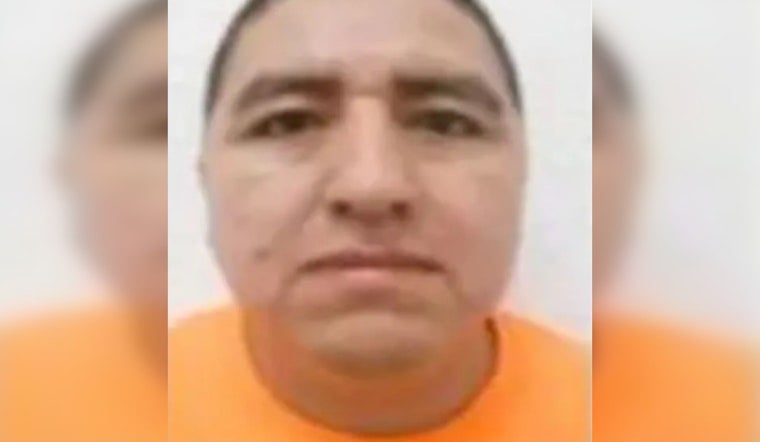
The man known as "El Jardinero" did not go out in a Hollywood shootout. Mexican special forces say they found Audias Flores Silva hiding in a roadside ditch in the hills near El Mirador, Nayarit, after a months‑long hunt, and took him into custody without a single shot fired. His capture comes on the heels of the military killing the Jalisco New Generation Cartel's long‑time leader, Nemesio "El Mencho" Oseguera Cervantes, in February, marking another high‑profile hit to the group. Local outlets in Nayarit reported brief reprisals after the raid, with vehicles and stores set ablaze.
How the Operation Unfolded
Officials say the arrest capped 19 months of intelligence‑driven tracking that led Mexican Navy special forces to a cabin outside El Mirador. According to authorities, Flores' security detail scattered once troops moved in, and the cartel commander tried to disappear into nearby drainage before being detained. The Associated Press reports that no one was killed or injured during the operation and that U.S. agencies fed information into the effort. U.S. officials have sought Flores' extradition since 2021 and put up a $5 million reward for information leading to his capture.
U.S. Role and Past Record
Mexican security officials told reporters the raid relied on aerial surveillance and other intelligence from U.S. partners. Before climbing the ranks, Flores was believed to have run security for El Mencho, eventually overseeing production and trafficking operations across several Mexican states. The Guardian notes that video released by security officials shows helicopters and dozens of troops converging for the takedown, and that Flores previously served time in the United States before returning to Mexico. Officials say he is wanted in U.S. courts on drug conspiracy and firearms charges.
A Blow After El Mencho
The arrest lands roughly two months after the army killed Nemesio Oseguera Cervantes, "El Mencho," on Feb. 22, 2026, in an operation that triggered a wave of violence across multiple states. That backlash left more than 70 people dead, including 25 members of the National Guard, according to The Associated Press. AP reporting also cites Mexican security officials who say Flores played a key role in CJNG's production and trafficking operations in Nayarit, Jalisco, Mexico State and Zacatecas. The U.S. Drug Enforcement Administration has acknowledged the CJNG's broad presence inside Mexico, with analysts saying the group operates across dozens of states and beyond the country's borders.
Local Reaction and Next Steps
Local authorities, backed by the federal security cabinet, scrambled to prevent wider fallout after Flores' capture. The cabinet reported that six vehicles and six shops were set on fire but that no injuries were recorded, according to SDP Noticias. Officials say Flores was quickly moved to the specialized organized crime prosecutor's office in Mexico City for processing, while parallel operations targeted suspected associates. Mexican authorities describe the push as aimed at both operational leaders and the cartel's financial backbone.
What Experts Say
Security specialists warn that taking down a powerful lieutenant can scramble criminal maps without shutting off the flow of drugs. Carlos Olivo, a former DEA assistant special agent in charge, told The Guardian that Flores' removal could have a "bigger effect" on CJNG operations than El Mencho's death, but he cautioned that trafficking networks tend to adapt quickly. U.S. officials are describing the arrest as part of a broader effort to curb fentanyl flows, while Mexican leaders highlight it as a precision strike that avoided civilian casualties. Even so, analysts note that CJNG's entrenched logistics and international reach leave the group far from dismantled.
Federal officials also announced the detention of César Alejandro "N," known as "El Güero Conta," in Zapopan. He is identified as an alleged financial operator for Flores, a move that signals a follow‑up hit on CJNG money channels, according to El Financiero. Authorities in Mexico and the United States now have to sort out the legal path forward, including extradition petitions and criminal proceedings, as the case advances in Mexico City's courts.





