

























































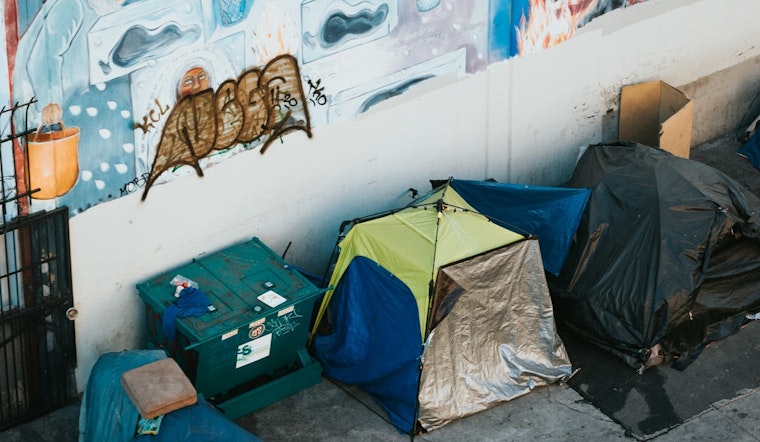
In a stinging setback for City Hall, a federal judge on Wednesday found Los Angeles liable for seizing and destroying the personal property of unhoused residents and shut down the seven-year Garcia v. City of Los Angeles lawsuit without a trial. U.S. District Judge Dale S. Fischer ruled that city records had been altered so extensively that a fair trial was no longer possible, giving legal backing to years of complaints from people who say they lost tents, IDs, medications and work tools during city cleanups. The decision now pushes both the parties and the city’s encampment policies into a new legal phase.
In an opinion filed late Wednesday, Fischer wrote that a neutral forensic examiner found records in 90% of 144 cleanup reports were “either modified or fabricated” after the city had been put on notice, and she rejected the city’s attempt to blame pandemic-era recordkeeping issues. The judge said edits included recategorizing items as biohazards or ADA violations and adding narratives to justify disposal, and she concluded that simply throwing out the altered documents would not fix the damage. As reported by the Los Angeles Times, Fischer ordered the parties to file briefs by March 15 on what relief the court should now impose.
Plaintiffs, represented by a coalition that includes the Legal Aid Foundation of Los Angeles, UCLA’s Human Rights Litigation Clinic and private firms, said the ruling effectively accepts their core allegations and gives them a path to seek damages and a court-ordered overhaul of how the city conducts sweeps. Their proposed injunction would require sanitation workers to give 24-hour notice, describe the property and the basis for any seizure, store items for at least 90 days and provide itemized lists and retrieval information, according to the Legal Aid Foundation of Los Angeles. Lead counsel Shayla Myers said those guardrails are meant to prevent people from permanently losing the IDs, medication and work tools they need to keep jobs and secure housing.
Records, Forensics and a Lawsuit Blown Up
Fischer ordered a neutral forensic examination in 2022 after plaintiffs’ lawyers noticed troubling differences between original Word files and the PDFs the city produced in discovery. Manual comparisons turned up more than 100 edits in some documents, including swaps like “bulky” to “ADA violation” and “property left behind by encampment” to “contaminated items surrendered,” and the conversion to PDF stripped out date stamps that could have revealed when changes were made, according to reporting that first flagged the alterations. Those discoveries led Fischer to conclude she could not trust the city’s document production and that the only fair outcome was to treat the plaintiffs’ allegations as true. As earlier reported by the Los Angeles Times, the court’s preliminary forensic review in 2024 had already raised serious alarms about tampering.
What This Means for People on the Street
Advocates say the decision puts a judicial stamp on long-standing accounts that sweeps routinely leave unhoused people without the basics they need to survive and to get off the street. A report on Los Angeles by Human Rights Watch documented how cleanups can strip people of medicine, identification and family mementos and described the practice as a harmful form of criminalization. “They took my ID. They took my medication. They took my tent,” KTown For All volunteer president Sherin Varghese said in a statement collected by the Legal Aid Foundation of Los Angeles. The ruling could force structural changes to how the city documents, stores and returns property after encampment cleanups.
What Happens Next
Fischer did not lay out specific remedies in her order, instead instructing the parties to propose what should happen next and setting a briefing schedule that makes the coming weeks pivotal for negotiations. Plaintiffs’ lawyers say they will push both for monetary awards and a binding system for notice, storage and retrieval that, in their view, would prevent avoidable property losses in future sweeps. If the court ultimately enjoins current practices, it would reshape how LASAN and other city agencies conduct large cleanups and how they label and document alleged hazards.
Legal Fallout for City Hall
Terminating sanctions are rare and heavy-handed, reserved for discovery abuses that a court sees as so serious that a fair trial is no longer possible on the existing record. Fischer’s ruling builds on earlier orders that had already narrowed the city’s authority to discard so-called “bulky” items and intensifies pressure on officials to revamp enforcement practices and recordkeeping. For now, the decision stands as a major win for advocates who argue that property-destruction policies make it significantly harder for unhoused people to secure housing, health care and employment.





