

























































Ohio customers of FirstEnergy's local electric companies are finally getting something back from the long-running House Bill 6 scandal in the form of real money off their power bills. Starting this month, credits tied to a roughly $275 million settlement are set to show up on electric statements across the state, with a portion specifically reserved to help lower-income households.
Under a collaborative settlement approved by the Public Utilities Commission of Ohio, about $250 million will flow back directly to customers, with additional residential credits layered on top. According to FirstEnergy, a typical residential customer using about 1,000 kWh per month should see approximately $65.61 in bill credits spread over three billing cycles, and $20 million is being set aside for low-income bill assistance, weatherization and energy-efficiency programs.
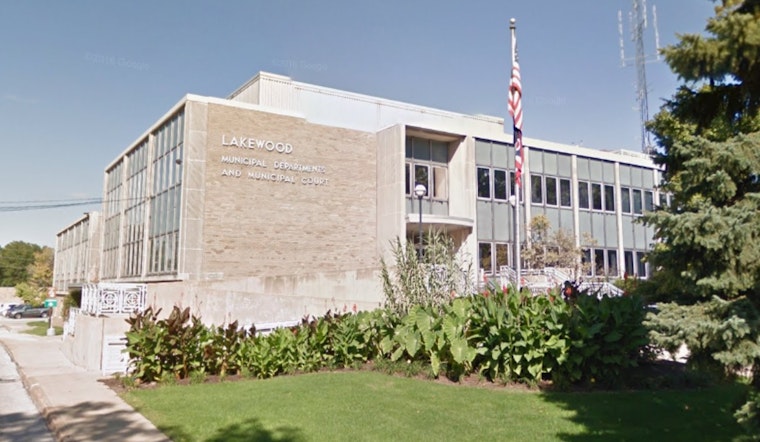
Local officials and energy aggregators say the credits are starting to roll out now and should appear on February electric bills. The City of Lakewood shared that timing in a Facebook post, and NOPEC circulated a notice to its member communities that adjustments are expected to begin in February 2026, according to City of Lakewood and NOPEC.
What You Will See On Your Bill
For a typical household using about 1,000 kWh a month, the credits work out to roughly $65.61 in total, applied over three monthly statements, according to local reporting. The Akron Beacon Journal walked through the math and noted that the impact will vary by utility. Toledo Edison customers could see the biggest immediate drop, while some Illuminating Company customers may notice a smaller decrease, and the paper cautioned that these temporary credits can change once the three month window ends.
What The Deal Closes, And What It Does Not
The settlement wraps up four proceedings at the Public Utilities Commission of Ohio that involved corporate separation questions, a distribution rider and reviews of political and charitable spending, effectively closing a major regulatory chapter tied to House Bill 6. As News 5 Cleveland reported, the deal ensures that millions go back to customers instead of being steered to the state general fund. That kind of regulatory closure, however, does not touch the separate criminal and federal actions that grew out of the broader bribery probe.
Legal Outlook
Federal and state prosecutions are still very much alive. A trial of former FirstEnergy executives accused of orchestrating payments tied to the House Bill 6 scheme recently began in Summit County, where prosecutors describe the case as centering on alleged bribes and political influence. The Associated Press has been covering the courtroom proceedings and notes that jurors could be hearing detailed testimony about those payments for weeks.
Customers who do not see the expected credits should look closely at their bill statements for any related notices, then contact their utility or the Public Utilities Commission of Ohio consumer services team if something seems off. FirstEnergy outlines in its public notice how the credits and assistance funds work, and community aggregators say they plan to alert customers through inserts in bills and information on their websites.





