

























































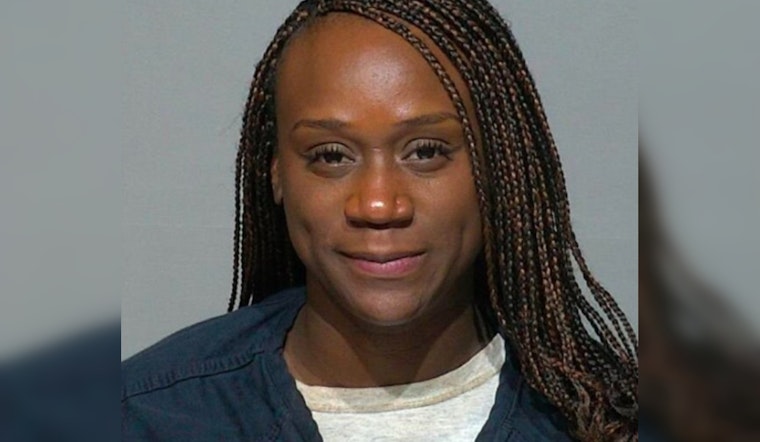
Former Milwaukee Public Schools board member Aisha Carr, who resigned midterm in May 2024, is now on the other side of official scrutiny. Yesterday, she was sentenced to 18 months of probation after pleading guilty to a felony campaign finance reporting violation, capping a probe that prosecutors say revealed false campaign reports and personal spending from campaign funds. The conviction also brings an immediate hit to her civil rights, including her ability to vote while she remains under court supervision.
According to the Milwaukee Journal Sentinel, Carr pleaded guilty on Dec. 11, then returned to court yesterday for sentencing before Milwaukee County Circuit Court Judge Jorge Fragoso. He imposed 18 months of probation as part of a plea deal that wiped out 11 other campaign-related charges and a separate FoodShare fraud case. Fragoso also set a restitution hearing for March 16 to decide how much Carr will have to pay back. Prosecutors had pushed for a sentence that included prison time that would be stayed, while Carr's attorney, David Adams, countered with a request for a $100 fine and no jail time, the paper reported.
Plea deal and investigation findings
The case started with a close look at Carr's campaign books and ended with a stack of financial questions. Investigators reviewing her campaign accounts found apparent gaps between what was coming in and what was going out. Records showed roughly $34,015 in contributions, about $23,304 in reported expenditures and more than $15,700 that prosecutors said was unaccounted for, according to Urban Milwaukee. Those discrepancies helped fuel an expanded county probe.
That same probe reached beyond campaign finance. Prosecutors also alleged that Carr received about $2,808 in FoodShare benefits between June and December 2023 after misstating her income, an accusation first detailed by CBS 58. The FoodShare case ultimately landed in the plea agreement that cleared those charges once she admitted to the felony campaign finance count.
Legal consequences and voting rights
The felony conviction does more than add a line to Carr's record. In Wisconsin, people convicted of a felony cannot vote while they are on probation, parole or extended supervision, and they regain that right only once they are fully off supervision, according to the ACLU of Wisconsin. The Wisconsin Department of Corrections notes that probation and other forms of supervision can include restitution, fees and other court-ordered conditions that must be met before a person is discharged. Those who do not comply risk having their supervision revoked and facing additional penalties.
What's next
The next key date on Carr's legal calendar is March 16, when the restitution hearing will determine how much she must repay as part of the sentence. Her 18 months of probation will run under standard Department of Corrections rules, with all the usual boxes to check to successfully complete supervision.
If Carr follows the rules, meets financial obligations and finishes her term, her voting rights and related civil rights will be restored automatically once she is off supervision. If she stumbles, the court could seek further sanctions. Outside the courtroom after the sentencing hearing, supporters gathered with her in a prayer circle, the Journal Sentinel reported, as the case shifts from public spectacle in court to the quieter grind of supervision and restitution.





