

























































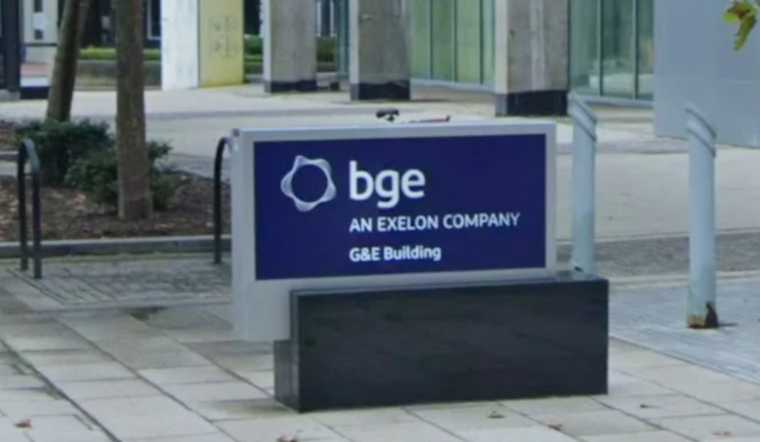
Baltimore Gas and Electric is gearing up to pour more than $500 million into electrical infrastructure tied to the Baltimore Peninsula redevelopment in South Baltimore, according to a recent supplemental cost update. The price tag, which appears to include a transmission bill in the hundreds of millions, is sparking fresh concern among neighbors and ratepayer advocates about who gets stuck with the tab.
Exelon posting and the price tag
An Exelon document posted to the regional grid operator’s site in mid-February lays out a transmission construction estimate of about $407 million. When that figure is combined with planned substation and related work, total expected spending climbs above $537 million, as reported by The Baltimore Banner. The Banner reports that the estimate appeared as a supplemental cost update tied to planning for new interconnections at Baltimore Peninsula. Exelon’s investor materials have for years flagged the Peninsula as a high-density load site that would need multiple 115/13 kV substations to meet new demand, as shown in an Exelon filing with the SEC.
What BGE says
BGE insists this is not a vanity project for developers but a necessary upgrade of the local grid to serve both current and future customers. “Our plans have not changed as our customers' energy needs in south Baltimore have not changed,” spokesman Nick Alexopulos told The Baltimore Banner. The company says the work will connect a new Peninsula substation to existing nodes, including Westport and Greene Street, with the goal of boosting reliability for nearby residents and for anticipated commercial loads.
Ratepayer pushback
Consumer advocates and state watchdogs are not exactly rushing to sign off. They argue that a project this big, arriving at this moment, deserves extra scrutiny before any of the costs roll into customer bills. The Maryland Office of the People's Counsel has repeatedly cautioned that large transmission projects can lock ratepayers into long-term expenses and that utilities should publicly justify upgrades, especially when the driver is projected private development rather than an immediate reliability problem. Advocates say regulators should insist on clear, transparent evidence that both the load forecasts and the cost estimates still hold up.
Why it matters now
The stakes feel higher after Under Armour founder Kevin Plank stepped back from further development at Baltimore Peninsula late last year, and the lender to the undeveloped parcels took a controlling position. Those moves have some local leaders asking whether BGE is effectively building out the grid for projects that may never fully materialize. Local coverage notes that only a fraction of the originally envisioned 14 million square feet has been built to date, which is why residents are questioning whether ratepayers should bankroll such a large pre-build. WBALTV and regional reporting outline the recent development shake-ups.
Regulatory road ahead
Complicating matters is the way power lines are regulated. Transmission planning and many key approvals fall to the Federal Energy Regulatory Commission and regional operators like PJM, while states mainly oversee distribution systems and retail rates. That split can limit how much a city or state commission can directly reshape or halt a transmission buildout. Analysts note that because federal authorities oversee interstate transmission, the fights over who pays often unfold in different arenas than traditional state rate cases, which can make the process tougher to navigate for residents and advocates. Congressional Research Service summaries explain that federal and regional bodies control interstate transmission rules, while state regulators set retail and distribution policies.
As work ramps up in South Baltimore and newly surfaced documents point to a much larger price tag than many had previously heard, the next few weeks are likely to bring more community meetings, fresh regulatory filings and sharper questions from ratepayer advocates, along with a clearer sense of whether the Peninsula’s power costs will land on development partners or on everyday customers’ monthly bills.





