

























































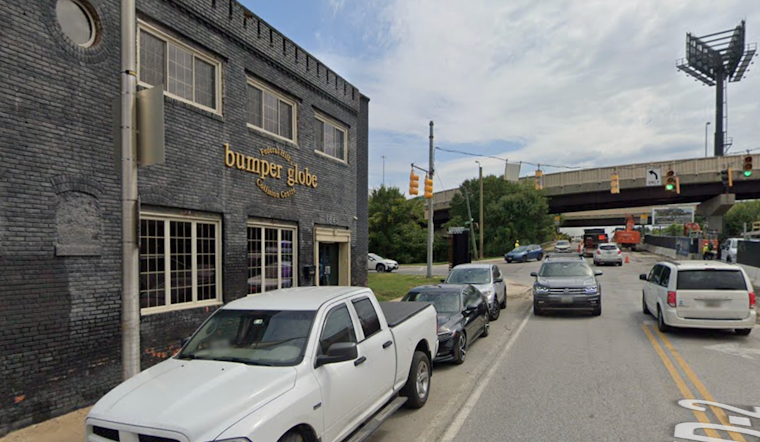
After months of headaches for nearby residents, the owner of Baltimore Auto Body & Collision Center has agreed to clear out of its South Hanover Street spot in Federal Hill by April 30. The move follows a long stretch of complaints about blocked sidewalks, inoperable vehicles, and leaking fluids that neighbors said turned daily life into a slow-rolling obstacle course. Residents argued that earlier enforcement efforts never fully stuck until this agreement to leave the site.
According to WBAL-TV, the owner consented to vacate the property by the end of April after sustained action by the Baltimore City Sheriff's Office. Sheriff Sam Cogan called the outcome "a clear example of the power of collaboration," pointing to persistent pressure from neighbors and the involvement of multiple city agencies that stepped in to address the ongoing problems.
Neighbors Describe Daily Disruption
People living around the shop told reporters the lot routinely overflowed, with vehicles creeping into public walkways and across driveways. That left some residents weaving between parked cars or stepping into traffic just to get down the block. "It's terrible up there," neighbor Joe Stebbings said, while Kim Keorber described how the business "would park cars and trucks in the street, in the back, blocking all of our driveways," as reported by WBAL-TV. For many on the block, the shop had gone from background noise to a daily nuisance.
Why the City Treated It as a Nuisance
City lawyers leaned on Baltimore's municipal code, which lets officials move against properties that create health, safety, or environmental hazards. That framework shaped the Law Department's review of the Hanover Street operation, according to the Baltimore City Code. At the same time, the Maryland Department of the Environment's stormwater guidance labels auto-body yards as potential pollution "hotspots" when leaking fluids are not properly contained, creating a clear basis for environmental enforcement, the Maryland Department of the Environment notes. Those legal and technical standards helped fuel the push into court and gave agencies the footing to coordinate a more aggressive response.
What Enforcement Looked Like
Officials say the crackdown involved mixed towing, citations, and civil actions aimed at clearing the public right-of-way and dealing with the environmental complaints. The city's Department of Transportation has recently broadened its parking enforcement to target illegal overnight parking and abandoned vehicles, making tows and tickets more common on problem blocks, WMAR-2 News reported. Meanwhile, commercial listings show the Hanover Street site marketed as industrial space, highlighting the landlord's role in what happens next, according to LoopNet.
Legal Fallout and What Comes Next
With the Law Department labeling the operation a public nuisance, the city has the authority under local code to seek abatement orders, environmental citations, and court-directed cleanup or closure. Those tools can include fines, liens, or direct remediation that is ultimately billed to owners, giving officials leverage when voluntary compliance falls short. Neighbors say the immediate payoff should be clearer sidewalks and more usable parking. The long-term outcome, they note, will hinge on whether the property is repaired and re-leased in a way that keeps the block from sliding back into the same fight all over again.





