

























































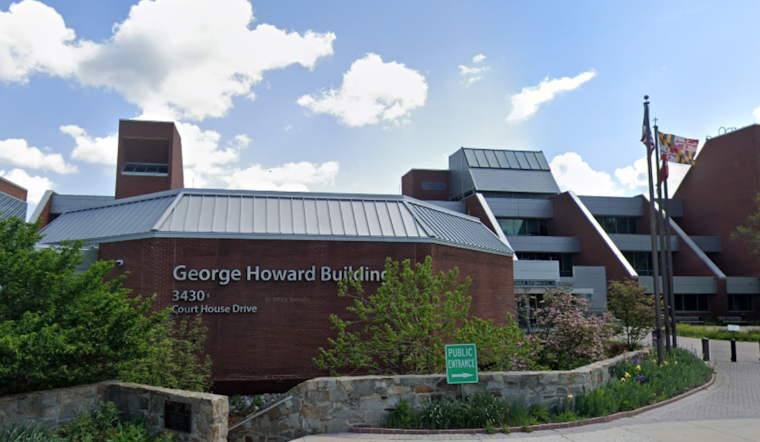
Howard County’s council is hitting pause on the local data center rush, voting to temporarily block new projects while it rewrites the playbook for where these massive facilities can go and how they operate.
The short-term freeze stops new plan submissions, gives planners time to spell out exactly what counts as a “data center,” and creates a task force to tackle big-ticket issues like siting, water use, noise, and power demand. The moratorium will stay in place until that task force finishes its work or the council adopts updated zoning rules.
The council voted Monday night unanimously to approve the S.M.A.R.T. (Strategic Moratorium for Assessing Responsible Technology) Siting Act, which now heads to County Executive Calvin Ball for his signature, according to CBS Baltimore. The outlet reports the final vote followed a May 18 public hearing where students and neighborhood residents pressed officials to slow down and overhaul zoning rules that date back decades. Supporters repeatedly stressed that the move is a targeted timeout to study impacts, not a blanket, permanent ban on data centers or other tech-related uses.
What the S.M.A.R.T. Act Does
Under the ordinance, the Department of Planning and Zoning is barred from accepting new site development plan applications for facilities that meet the definition of “data center” during the act’s effective period. It also blocks the Zoning Board and Hearing Authority from taking final action on such proposals during that window, according to the bill language on the county’s legislation site (bill text).
The law also sets up a temporary task force to hammer out a formal zoning definition for data centers and develop recommendations on where and how they should be built. That includes guidance on setbacks from neighbors, water and energy impacts, noise controls, decommissioning plans, and whether the county should keep or scrap its existing tax credit for data centers. The task force is required to submit its report within 12 months of the act’s effective date.
Who Will Sit On The Task Force
Final amendments to the bill added eligibility criteria calling for task force members with “substantial experience” in areas such as utilities infrastructure, water resource management, climate resilience and environmental science, acoustic mitigation, economic development, and data center development and operation, CBS Baltimore reports. Supporters said those tweaks, which also add labor representation and give elected officials a formal role in naming nominees, are meant to blend technical expertise with clear lines of accountability back to the community.
Timeline And Sunset
Council members approved a late amendment that locks in a firm end date for the moratorium: November 2, 2027. That replaces earlier language that would have tied the sunset to 18 months after the act took effect, according to the adopted changes on the county’s legislation site (Amendment 4 to Amendment 2).
The legislation specifies that the S.M.A.R.T. Siting Act will take effect 61 days after enactment. Once it kicks in, the temporary task force has 12 months to deliver its recommendations to both the council and the county executive, a timeline set out in the bill text.
Why Communities Are Pausing Data Center Growth
Howard County is not alone in tapping the brakes. Across the country, local governments and state officials are weighing moratoriums or stricter rules as residents and advocates raise concerns about how hyperscale data centers can strain electric grids, pull heavy volumes of water, and create conflicts with surrounding neighborhoods and land uses, according to a national moratorium tracker (AI Laws by State).
Closer to home, WMAR-2 News has highlighted that Howard County’s zoning rules for data processing date back to 1993. The pause is intended to give the county time to modernize those rules to match the size, footprint, and infrastructure demands of today’s facilities.





