

























































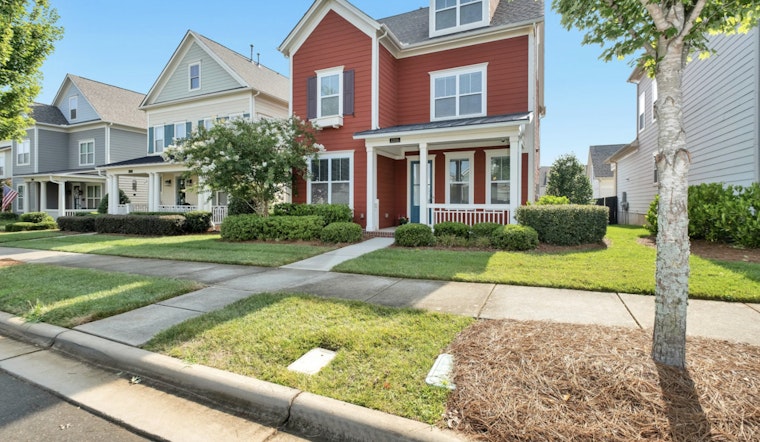
The U.S. Army Corps of Engineers has begun demolishing six homes on Cades Cove Drive in Florissant after radioactive waste was found buried beneath them. The contamination, linked to St. Louis’s uranium processing during the Manhattan Project, extends 2.5 to 15 feet below ground and connects to Coldwater Creek. According to KSDK, the demolition, which started Monday, is the first of its kind under the Formerly Utilized Sites Remedial Action Program (FUSRAP). Residents, who remain the property owners, have been relocated and will be compensated for the value of their homes.
The excavation and remediation process, expected to take less than a year, is being carried out under the supervision of Col. Andy Pannier, commander of the St. Louis District. He emphasized the Army Corps’ commitment to conducting the work safely and efficiently, as per FOX 2 Now. Homeowners affected by the relocation have expressed the personal impact of leaving their homes.
A new organization, the North County Community Advisory Group, has formed to ensure impacted residents’ voices are heard and that the Army Corps maintains transparent communication. At a recent news conference reported by KSDK, the chair, Dr. Chantelle Jones, said the group is committed to supporting residents of Cades Cove and advocating on their behalf.
Concerns have been raised about communication from the Army Corps of Engineers. Florissant Mayor Timothy Lowery told St. Louis Public Radio that he had not been contacted by USACE with an update on the demolition. He said the city remains committed to monitoring the situation and advocating for residents’ safety. The demolition and remediation highlight the lasting impact of historical nuclear development on communities.
The cleanup effort is part of a broader federal program compensating individuals for illnesses linked to Manhattan Project-era contamination. More than 800 approved applications have resulted in over $39 million in compensation to date. It remains unclear whether residents of Cades Cove will be able to return to their properties after remediation, but the current priority is completing the cleanup safely and thoroughly.





