

























































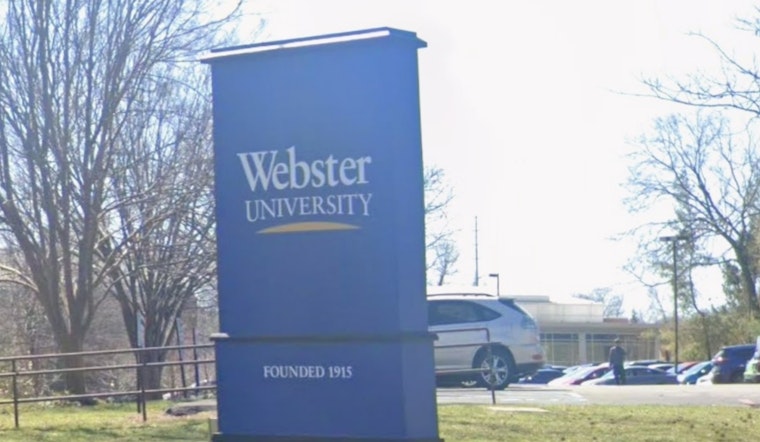
Webster University has pulled the plug on the Susan Polgar Institute for Chess Excellence (SPICE), shutting down one of the country’s most dominant collegiate chess programs and yanking a steady stream of national titles out of St. Louis’s vaunted chess scene. The move leaves players, coaches and alumni scrambling to figure out what comes next.
The university cited financial strain and tougher visa rules that cut into international recruiting, saying fundraising never caught up and the program was no longer sustainable. Webster said the team needed a sizable operating subsidy to survive. As of Thursday, head coach Liem Le was no longer with the university; in a Facebook post he wrote, “I am incredibly proud of what we accomplished together,” as reported by Spectrum News.
Built a chess dynasty
SPICE, created by former women’s world champion Susan Polgar and relocated to Webster in 2012, turned the school into a heavyweight in collegiate chess almost overnight. Webster University details a long list of national and international titles, and US Chess confirmed Webster’s 2026 Pan-American Intercollegiate championship, a victory that secured the school’s President’s Cup berth for a 13th straight year.
Why Webster says it had to act
University officials told reporters the chess program cost more than $1 million a year from operating funds, and that personnel, full scholarships, housing and travel all fed into multi-million dollar annual losses. They said, “As a result of leadership’s efforts over the past two years, Webster posted its first net-positive revenue in more than a decade,” and argued that the additional savings from cutting the chess program would help the institution double down on core academics. Those details came in a university statement, as reported by Spectrum News.
Wider pressures on tuition-dependent colleges
Webster’s move lands amid broader financial stress on small private universities that lean heavily on tuition and international enrollment. Higher Ed Dive has reported that Webster has been wrestling with multi-year operating deficits, while Inside Higher Ed documented the university’s attempts to reclassify restricted endowment funds and take other steps to shore up liquidity as it worked to stabilize enrollment and finances.
For now, the immediate questions are what will happen to students on chess scholarships and whether Webster’s President’s Cup berth will be affected. The university has not released a public timetable for winding down the program beyond its statement to reporters. Alumni, rival programs and national organizers are likely to be watching closely as Webster plays out its endgame.





