

























































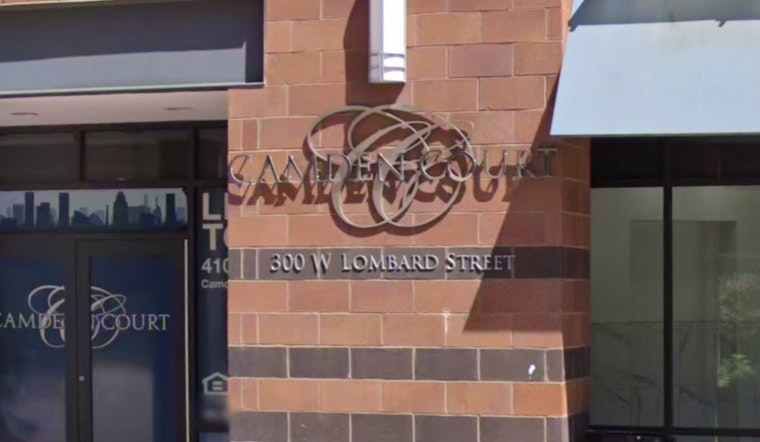
A federal judge has kicked a proposed class action over allegedly hidden utility charges at Camden Development apartments out of federal court and sent it back to Maryland state court. Plaintiffs John Hall and Monica Bahena say they were drawn in by advertised rents that left out a landlord-run ratio utility billing charge.
Judge says federal court lacks CAFA jurisdiction
On Tuesday, U.S. District Judge Deborah K. Chasanow granted the tenants' motion to remand, finding Camden had not shown the case belonged in federal court under the Class Action Fairness Act. The opinion says the company leaned on assumptions and a flawed damages calculation and did not produce the concrete proof required to show more than $5 million in aggregate damages, according to Justia.
Plaintiffs say listings hid mandatory fees
Hall and Bahena allege they spotted a Camden College Park unit advertised on Zillow at $1,729 per month and paid a $50 application fee, only to learn after signing that mandatory monthly and one-time charges pushed the real cost higher. Their amended complaint points to a ratio utility billing system, a monthly technology charge and a community fee, and says Camden's advertising and lease forms ran afoul of Maryland consumer-protection laws, as reported by Shore News Network.
Removal under CAFA fell short
Camden had removed the case to federal court under CAFA, arguing that aggregate claims cleared the $5 million threshold by assuming as many as 1,700 Maryland units and a monthly overcharge per unit. The court flagged a math error in the removal notice and found that Camden's later, narrower tally of properties still did not supply the kind of concrete evidence needed to keep the case in federal court, according to the memorandum opinion.
What Maryland law requires
Maryland's statute governing ratio utility billing systems requires landlords who use RUBS to give prospective tenants written notice, provide the last two utility bills, describe the allocation method and supply the prior year's average monthly bills by utility. The law also provides that a lease provision charging tenants under a RUBS may be unenforceable if those disclosures are not made, per the Maryland General Assembly.
What comes next
With the remand ordered, the case now heads back to Prince George's County Circuit Court, where the plaintiffs say they will pursue class claims on behalf of other renters at several Camden properties in Maryland. Camden operates apartment communities nationwide, and the tenants seek damages, injunctive relief and attorneys' fees for renters who say they were billed without the required disclosures, according to Shore News Network.
Renters hunting for apartments may want to scrutinize lease language and ads for any landlord-billed utilities, request copies of recent master utility bills and ask how any allocations are calculated. For a plain-language overview of tenants' rights and RUBS disclosures in Maryland, see the Maryland People's Law Library guidance on utilities and tenants' rights.



