

























































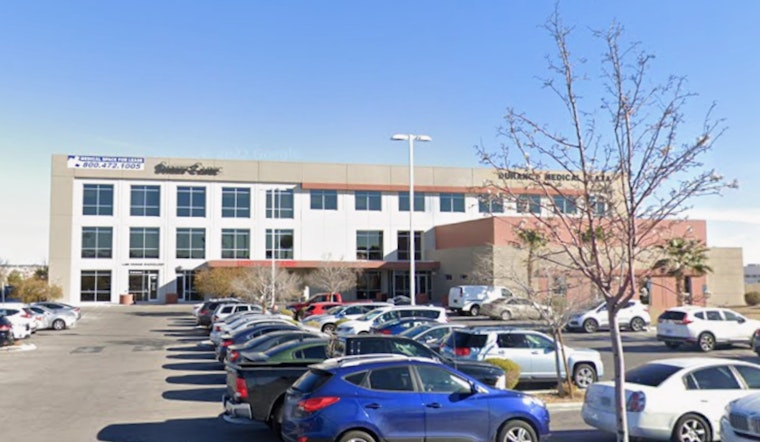
Some Las Vegas fertility patients say their worst nightmare came without warning: an abrupt email saying their frozen embryos were headed to California, followed by a visit to their clinic where they found the doors locked. The people affected had stored embryos and other reproductive material for years at Nevada Fertility Institute. Now, with a landlord's notice taped to the office door and talk of an out-of-state transfer, many are asking who is actually responsible for safeguarding what they see as their future families, as reported by KTNV.
According to KTNV, several patients received an email alerting them that their embryos would be moved to California. When some went in person to demand answers, they instead found a notice from the landlord stating the business was more than $159,000 behind on rent. Patients told the station they were "confused and shocked" that a place they had trusted for years had suddenly changed course.
The station's on-site reporting shows patients arriving at the clinic seeking clarification, only to encounter limited information. One staff member told the reporter, "We're not going to be doing long-term storage on site anymore," and said the receiving clinic, not individual patients, would schedule the transport of specimens, according to KTNV.
One husband told the outlet that after his family declined an out-of-state transfer, they were given a written deadline of Feb. 2 to pick up their specimen. KTNV also reported that when its reporter visited, medical director Dr. Cindy Duke was not at the office and that staff had only limited answers to patient questions.
Why Patients Are Worried
Many patients say they never agreed to have their embryos or other specimens shipped across state lines, and for people who have invested years of treatment, that is not a minor detail. Consent forms are typically packed with fine print, but patients insist they did not knowingly approve an abrupt move to another state.
Experts say their anxiety is not coming out of nowhere. A legal review in the Columbia Law Review documents that labeling mistakes, storage errors and mishandling of specimens have all been reported at IVF clinics, and that civil remedies for harmed patients can be complicated. That track record helps explain why families can be furious when storage arrangements change on short notice.
What Patients Can Do Now
For anyone caught in the middle of a sudden change, the first move is paperwork, not panic. Patients are urged to:
- Save and organize all emails, letters and portal messages from the clinic.
- Request copies of their complete medical records.
- Ask specifically for any consent forms they signed, including anything relating to specimen storage and transfer.
Providers are required to make records available when patients request them. The Nevada State Board of Medical Examiners instructs patients to file written complaints if they cannot get records or clear explanations and outlines how the complaint process works, including expected timelines. Nevada Fertility Institute also maintains a patient portal through its website where records and messages can be accessed.
Regulatory Reality And Next Steps
Patients hoping for quick, public answers from regulators may need to temper expectations. The medical board's FAQ stresses, "By law, we cannot reveal whether a complaint has been made against a doctor..." and notes that investigations stay confidential unless and until formal charges are filed. That secrecy can leave people in the dark for long stretches.
Scholars who study reproductive negligence say lawsuits over lost or mishandled embryos can drag on and involve complex legal questions. In the short term, regulatory complaints and meticulous record requests are often the fastest way to force some oversight and create a paper trail.
Patients with urgent concerns are advised to contact the Nevada State Board of Medical Examiners at (775) 688-2559 or toll-free at (888) 890-8210. They are also encouraged to keep copies of every clinic email, posted notice and signed consent form. If this situation escalates into a legal or regulatory fight, those documents could become crucial evidence.



