

























































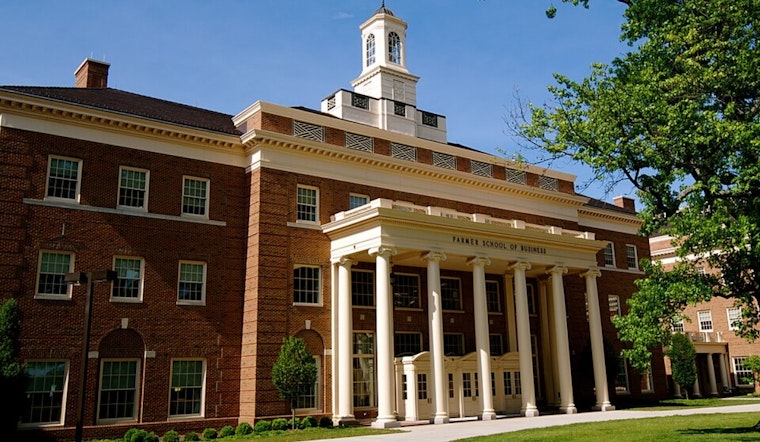
Miami University is barreling toward a decision that could rewrite the Oxford campus map. On Friday, the board of trustees is expected to take a final up-or-down vote on a proposed multipurpose arena pegged at roughly $281 million. The timing is no accident: Miami men’s basketball is in the middle of a historic 27-0 run, Millett Hall is routinely selling out, and Cook Field, a heavily used greenspace, is suddenly on the bubble.
The board’s call will effectively decide whether Cook Field becomes part of a new revenue-focused “event district” anchored by a modern arena or whether the university goes back to the drawing board and looks for another path.
Trustees Stare Down a Massive Price Tag
Trustees are slated to consider a roughly $281 million arena plan and could authorize funding this week, setting up a high-stakes campus decision, according to the Cincinnati Business Courier. The prospective vote follows more than a year of planning and site studies that have circled back, repeatedly, to Cook Field as the preferred spot.
Why Leaders Say Millett Hall’s Time Is Up
Administrators argue that Millett Hall, which opened in 1968, comes with serious deferred maintenance and limited practice and event capacity. In their view, pouring more money into renovations is throwing good cash after bad compared with building a new arena and attached practice space.
University materials outline early projections that a new arena and practice facilities would not exceed roughly $187.7 million, while renovating Millett and adding needed practice space would still pile on six-figure maintenance costs and significant upgrades, according to Miami University. Officials have also repeatedly stressed that philanthropy is expected to carry a big share of the financial load.
Cook Field Battle Turns a Lawn Into a Lightning Rod
The plan’s proposed site has turned a simple field into a political minefield. Cook Field, an open recreation space near Patterson Avenue, has become the focal point of opposition. An analysis of the committee’s survey and a separate student-and-faculty research survey found strong resistance to building an arena there, with one student team’s final poll reporting about 3,347 respondents and roughly 89% opposing construction on Cook Field, according to the Oxford Free Press.
Petition drives and town-gown complaints have turned the debate into a loud, ongoing feud on campus and in Uptown Oxford, with Cook Field cast either as sacred student commons or prime real estate for a flashy new front door to Miami athletics.
Undefeated Season Supercharges the Pro-Arena Argument
A perfect season has only raised the stakes. Supporters contend that the men’s basketball team’s 27-0 record, packed houses and renewed donor attention make a larger, modern arena a logical bet on Miami’s athletic future. As reported by WVXU/Ideastream, the team’s run has turned Millett Hall into a must-see destination and strengthened the “if you build it” case among alumni and boosters who see a window of opportunity they do not want to miss.
Who Pays, How Much, and for How Long?
The one thing no one seems entirely sure about is how to pay for it all. University documents and campus reporting have floated potential mixes of philanthropy, institutional debt and the possibility of student fee contributions. One campus research summary sketched out a scenario of roughly $500 per student per year as a ballpark example, while Miami’s leadership has continued to stress donor support as a primary funding source, according to WOSU.
Trustees have been told their options at this week’s meeting include approving the proposal, sending it back for revisions, putting the project on pause or scrapping it altogether, WOSU reported.
Whatever the board decides on Friday, the outcome will reshape both Miami’s athletics footprint and a highly visible corner of campus. Trustees are essentially choosing between a donor-driven event district meant to juice revenue and profile, and preserving a popular student greenspace that many say defines daily life at Miami. Expect strong reactions from students, alumni and local businesses once the vote is in.





