

























































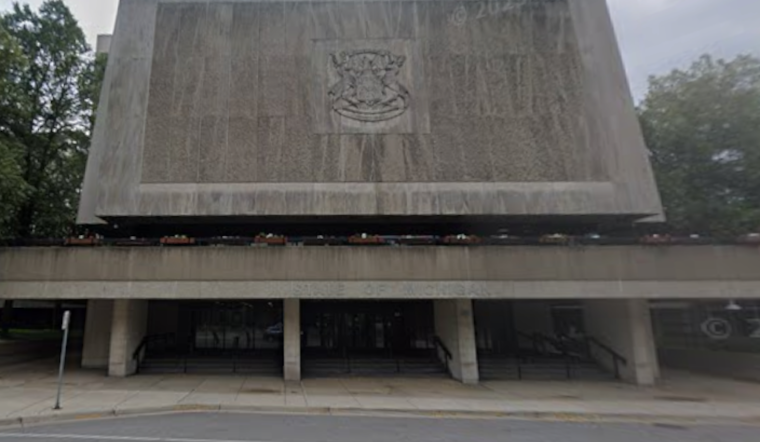
Today's Michigan Court of Appeals decision has cleared the Michigan Department of Civil Rights to keep digging into alleged discrimination even when the events are more than three years old, despite pushback from several cities led by Grand Rapids. The ruling stems from a long‑running fight with the City of Grand Rapids and keeps alive investigations into police practices and other public‑sector behavior that might otherwise have been cut off by the calendar. The court did not touch the time limits for people who want to sue in court; it focused only on how far the department can go when it chooses to investigate or bring charges.
What the court said
The Court of Appeals held that the department’s administrative power to investigate complaints and decide whether to file charges is not rigidly controlled by the Elliott‑Larsen Civil Rights Act’s three‑year filing deadline, as reported by The Detroit News. That conclusion rejects Grand Rapids’ argument that investigations older than three years must automatically end and preserves the department’s ability to pursue complicated or slow‑moving matters where evidence, witnesses, or cooperation take time to line up.
Audit shows long delays
The timing question is not theoretical for MDCR. A 2023 performance audit by the Michigan Office of the Auditor General found that investigations took an average of 19 months to complete and that 62% of the sampled cases had significant delays. Auditors documented lengthy stretches with no recorded investigative work, reported that many investigators were carrying roughly 80 to 100 open cases at a time, and found that only 8% of finished investigations met the department’s own six‑month target.
How the fight started
The current legal dust‑up began when the City of Grand Rapids sued in 2023, claiming the Elliott‑Larsen Act’s three‑year limit should block MDCR from pursuing older complaints. A trial court tossed the city’s lawsuit in April 2024, sending the dispute to the Court of Appeals. Civil‑rights organizations, including the ACLU of Michigan, weighed in with friend‑of‑the‑court briefs backing the department’s authority. The ACLU of Michigan has noted that the conflict grew in part out of MDCR’s look at policing practices in Grand Rapids.
Agency reaction and stakes
MDCR officials and supporters have long blamed chronic understaffing and heavy caseloads for the slow pace flagged in the audit, and the Legislature increased the department’s enforcement budget for fiscal 2024 in response. Backers say the appeals court’s ruling keeps a procedural time limit from wiping out investigations into broader, systemic practices while the agency tries to tame its backlog. Coverage of the audit findings and MDCR’s response was reported by Michigan Public.
Legal implications
The Elliott‑Larsen Civil Rights Act still requires individuals to file a complaint with MDCR within 180 days and generally provides a three‑year window to bring a lawsuit in court. The appeals court, however, drew a line between those private filing deadlines and the department’s internal timetable for investigating cases. Under the ruling, MDCR can finish investigations and decide whether to issue charges even when the underlying allegations are more than three years old, while affected parties retain the ability to seek judicial review of particular agency actions through existing procedures. For background on filing deadlines and the department’s jurisdiction, see MDCR’s own guidance on intake and investigation jurisdiction, per MDCR.
Either side could still ask the Michigan Supreme Court to step in, and city leaders, civil‑rights advocates, and state officials are weighing whether further appeals are likely. For the moment, the decision allows MDCR to move forward with investigations that had been clouded by statute‑of‑limitations questions, even as it highlights the audit’s call for quicker turnaround on civil‑rights cases, per the Michigan Court Rules.





