

























































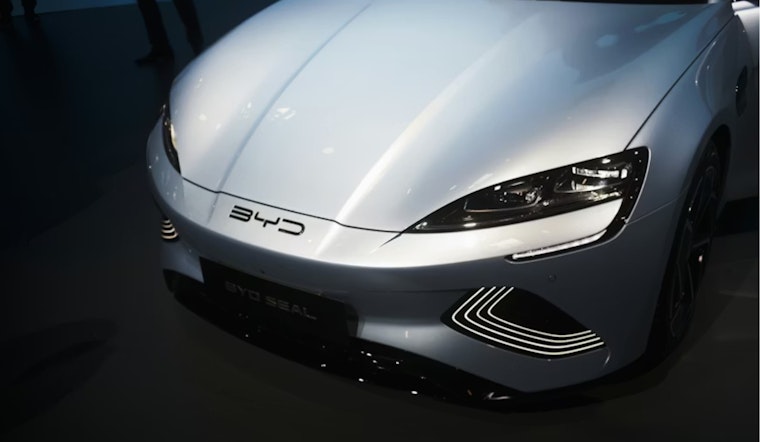
In Detroit showrooms, talk of Chinese-built EVs has shifted from background buzz to front-burner concern. Chinese automakers have been rolling out advanced electric models at January tech gatherings in Las Vegas and hinting that U.S. production could be next. Retailers say that potential shake-up could squeeze margins and rearrange franchise networks, even as it dangles cheaper EV options for shoppers watching every dollar. For local showrooms and factory towns, the conversation now centers on timing and political tradeoffs as manufacturers quietly test the waters.
Dealers Wary, Some See Opportunity
According to The Detroit News, U.S. auto dealers at recent industry gatherings described a blend of anxiety and cold-eyed pragmatism about the arrival of Chinese brands. “Eventually you’ll get them,” one dealer told The Detroit News, summing up the sense that new rivals are inevitable. Several dealers said they would consider putting Chinese nameplates on their lots if inventory, margins and service arrangements penciled out.
Geely's Vegas Test Drive: When, Not If
Executives from Geely and other Chinese groups rolled into Las Vegas with EVs and staged ride-and-drive demos that left visiting U.S. journalists impressed with the cars’ fit, finish and tech. Car and Driver reported that Zeekr and Geely models performed well and relayed talk of a “two-to-three-year” timeline before any serious push on U.S. manufacturing or market entry. That kind of public test run has put dealers on alert and given analysts a concrete window to watch for the next move.
Tariffs, Factories and Political Tradeoffs
Imported Chinese vehicles currently run into steep U.S. tariffs along with growing scrutiny over software and supply chains, a combination that industry observers say could limit straightforward imports. As The Wall Street Journal reports, policy levers, including proposed restrictions on certain connected-vehicle software, factor heavily into regulators’ calculations. President Donald Trump has also signaled he would be open to foreign automakers building plants in the United States, a stance The Detroit News notes could allow Chinese brands to sidestep import tariffs while touting American jobs.
Dealers' Dilemma: Profit vs. Protection
Dealers are split between lobbying Washington for more protection and scouting for fresh profit streams, a divide that could redraw showroom maps. Kerrigan Advisors notes that dealers and their advisors are rethinking valuations and strategies as Chinese brands expand abroad. If those automakers pair sharp pricing with dependable service networks, larger dealer groups may move quickly to lock down the most attractive new franchises.
What This Means For Detroit
For Detroit, where sales lots and assembly lines are tightly linked, the stakes hinge on whether Chinese brands commit to U.S. factories or lean on import routes that leave local manufacturing on the sidelines. The Wall Street Journal argues that the when and where production decisions will be critical for both jobs and dealership economics. That means local players will be scrutinizing production announcements, regulatory filings and any early dealer-network deals. In the short term, many dealers say they will watch test drives, sticker prices, and the first formal U.S. offers before deciding whether to adapt to the newcomers or push back hard.





