

























































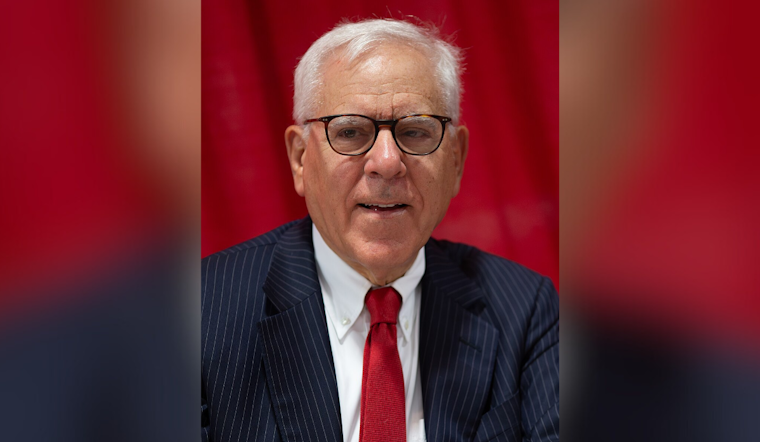
David Rubenstein, the billionaire Carlyle Group founder and part-owner of the Baltimore Orioles, shows up in the trove of records the U.S. Department of Justice just released from its Jeffrey Epstein files. The documents include email exchanges that reference a short meeting with Epstein in November 2012 and back-and-forth about scheduling a dinner that appears not to have happened. Rubenstein is not accused of any criminal wrongdoing in the materials.
DOJ release: what was published
The Department of Justice says it has put out roughly 3.5 million responsive pages, along with more than 2,000 videos and about 180,000 images, as part of its compliance with the Epstein Files Transparency Act. According to the Department of Justice, the release covers investigative documents from multiple federal probes and includes intake material that has not been verified.
Emails show a brief 2012 meeting, spokespeople say
Among the records reviewed by reporters is an email in which Epstein wrote "Nice meeting you finally" on Nov. 12, 2012, and Rubenstein replied that he "enjoyed the chance to meet you as well." As reported by Front Office Sports, a Rubenstein spokesperson said he met Epstein once, for roughly 20 minutes, at Carlyle, and that suggested philanthropic projects from the encounter did not move forward.
Local reporting and congressional access
Local outlet WBAL-TV reports that Rubenstein is named in the files but has not been accused of wrongdoing, and that the station reached out to his office for comment. WBAL also notes that members of Congress have recently been given access to review less-redacted records at a Department of Justice annex as part of their oversight of how the disclosure is being handled.
Why Baltimore readers should pay attention
Rubenstein is not just another name in a sprawling federal document dump. He is a high-profile figure who helped lead the Carlyle Group and joined the Orioles’ ownership group in the 2024 sale, a transaction widely covered in sports business circles. That local connection means what might otherwise read as distant, national headlines quickly turns into a matter of civic and philanthropic interest in Baltimore.
No charges and what comes next
Legal observers emphasize that showing up in the files is not the same thing as being accused of a crime, and the Department of Justice has cautioned that parts of the release contain unverified tips and intake material that need context, according to the Department of Justice. At the same time, news outlets and lawmakers have raised concerns about the staggered rollout and remaining redactions, as reported by The Associated Press, so readers can expect more scrutiny as the DOJ and Congress continue to sift through and review the records.





.jpg)