

























































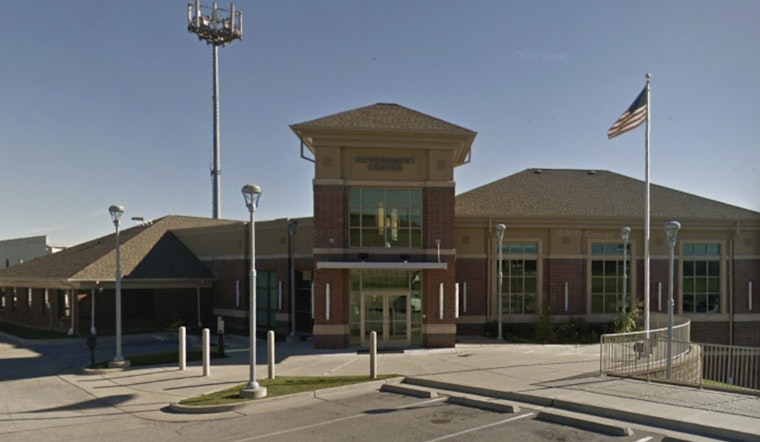
Hundreds of Pacific residents recently jammed into a town hall, many of them furious over an Atlanta developer’s push to annex roughly 500 acres south of town for a massive multi-building data center complex. Neighbors say the plan threatens local wells, the Meramec River corridor and the quiet rural character that convinced many to move to the valley in the first place.
Beltline Energy has pitched what it calls the Meramec Valley Technology Park, a campus of up to 16 buildings on about 500 acres off Highway O. Company representatives have framed the proposal as a major economic jolt that could attract large electric loads, create hundreds of jobs and generate millions in annual revenue for the city. They have also described the project as a planned-use development that would give Pacific more control over a single, large operation instead of piecemeal growth, as reported by St. Louis Magazine.
Neighbors Raise Water And Health Alarms
Residents who lined up to speak at the meeting zeroed in on water supply and groundwater risks, arguing that cooling demands for a campus of this size could put serious pressure on local aquifers and private wells. Speakers cited figures floating around town, including claims that the campus could use multiple millions of gallons per day, while community-hired experts have pegged potential cooling needs closer to 1,000,000 gallons a day. Several residents warned that level of consumption could harm local wells.
Frustration was also fueled by how many people first heard about the project. Instead of broad city notification, neighbors described learning of it through anonymous letters in their mailboxes, a rollout they said set the tone for mistrust. Those concerns were aired repeatedly at the town hall, according to FOX2.
Developer Says It Would Use Treated Wastewater
Beltline representatives told city officials that the land’s proximity to Pacific’s wastewater treatment plant is a key reason they want the site. They said the data center would rely on treated effluent from that plant for cooling needs rather than pumping from deep groundwater sources. The company also offered to pay roughly $15 million for upgrades to the treatment facility.
On top of that, Beltline has argued that franchise fees and electric-use payments tied to the project could bring in millions of dollars a year for Pacific. Those promises were laid out during the presentation and follow-up questions at the public meeting, as reported by St. Louis Magazine.
Organizing, Petitions And Local Institutions Weigh In
Opponents have not waited for formal votes to organize. Local groups have formed, and an online petition on Change.org has gathered several hundred signatures urging city leaders to reject annexation outright or at least demand much stronger studies and protections before signing off on anything.
At the same time, three key local institutions, the Meramec Valley R III School District, Pacific Fire Protection District and Meramec Ambulance District, issued a joint statement saying their representatives had been asked to sign nondisclosure agreements before an informational meeting on the project. That detail has only sharpened residents’ complaints about transparency. See the petition and the districts’ statement on Change.org and the joint statement from the Meramec Valley R-III School District.
What Happens Next
Pacific’s Planning and Zoning Commission is scheduled to present its recommendations on February 25 at a public meeting, a date that both opponents and supporters have circled as the next big test for the project. If the city chooses to move ahead, annexation and a planned-use development review would be the formal tools for setting conditions, requiring impact studies and negotiating infrastructure upgrades before any construction starts. For details on the hearing schedule and process, see First Alert 4.
The Pacific fight sits inside a broader regional debate about where large data campuses should go and how to weigh promised tax revenue and jobs against long-term environmental and community costs. City officials say they have to balance potential income with the very vocal concerns of residents. Neighbors, for their part, say they plan to keep showing up at public hearings and pushing petitions until they see definitive engineering and water-resource studies in black and white.



