

























































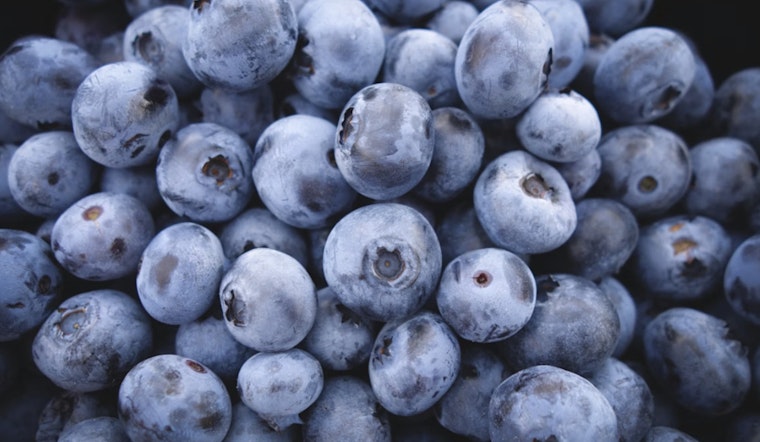
Willamette Valley Fruit Company, a Salem processor operated by Oregon Potato Company, has pulled roughly 55,689 pounds of individually quick-frozen blueberries after routine product testing raised the alarm for possible Listeria monocytogenes contamination. The U.S. Food and Drug Administration classified the move as a Class I recall on Feb. 24, the agency's highest-risk category. The bulk fruit went out to customers in several states and to Canada, which means the real concern is not home freezers, but foodservice operators and manufacturers that used the lots in other products.
FDA upgrade and timeline
Oregon Potato Company first initiated the recall on Feb. 12, then federal regulators turned up the heat after reviewing the firm's enforcement filing. According to Newsweek, the FDA's enforcement report shows the action listed as a Class I recall because of the listeria finding.
Products, lot codes and distribution
The recall covers 55,689 pounds of IQF (individually quick-frozen) blueberries packed two ways: in 30-pound corrugated cases with polyethylene liners and in 1,400-pound industrial totes. The affected case lot numbers are 2055 B2, 2065 B1 and 2065 B3. The totes are marked with lot numbers 3305 A1 and 3305 B1. As noted by People, the FDA notice shows the product was shipped to customers in Michigan, Oregon, Washington and Wisconsin, as well as to Canada, and it was not sold directly at retail.
Why Listeria is different
Unlike many bacteria that hate the cold, Listeria monocytogenes can hang on and even grow at typical refrigerator temperatures, and the FDA points out that freezing does not get rid of it. That is why frozen fruit is not automatically safe if it is contaminated. The Centers for Disease Control and Prevention explains that invasive listeriosis can bring on serious symptoms such as headache, loss of balance and convulsions. It is especially dangerous for pregnant people, newborns, adults over 65 and anyone with a weakened immune system.
Where the fruit went and what the company told customers
Records from the company and regulators show the blueberries were intended for bulk foodservice and manufacturing customers, not grocery store freezers. Oregon Potato Company has told its consignees to review their inventories and either return or destroy any affected lots. WUSA9 and other outlets picked up the story after the FDA filing became public.
What to do if you think you were exposed
If you handled the bulk blueberry shipments covered in the recall and later develop symptoms that line up with listeriosis, the CDC advises contacting a health care provider as soon as possible, since symptoms can appear within days or even several weeks after exposure. The FDA also encourages consumers and clinicians to report illnesses or product issues by calling 1-888-SAFEFOOD (1-888-723-3366) or by filing an electronic Voluntary MedWatch report through the agency's online reporting portal.
Industry context
Willamette Valley Fruit Company processes large volumes of berries for industrial and foodservice clients, so a problem at the processor level can ripple through a long list of downstream products and suppliers. Public profiles for the company indicate it runs a processing facility in the Willamette Valley that handles millions of pounds of fruit each season, which helps explain how a single recall of bulk-packed IQF blueberries can shake up regional supply chains.




