

























































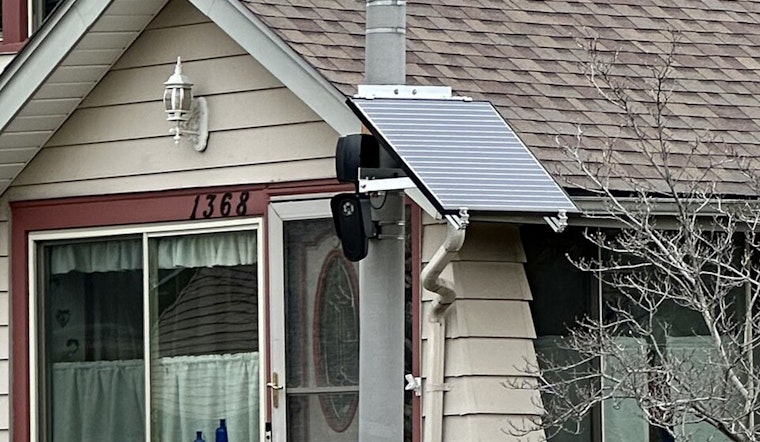
South Pasadena's network of Flock automated license-plate readers just landed in the political spotlight, as City Council members pressed police officials on whether the surveillance system is actually playing by California's tough privacy and immigration rules. Several councilmembers said they were uneasy with the company's fine print that appears to put ultimate responsibility for who gets access to the data on the city itself, even after Flock stores it, while police brass leaned on the cameras' track record in finding stolen cars. By the end of the night, the council told staff to bring back more paperwork, revisit which cameras get priority and how privacy is protected, and return with options, including the possibility of switching vendors, at a future meeting.
Councilmember Sheila Rossi argued that the way the system is set up looks like it runs afoul of state laws such as SB 34 and SB 54, while Councilmember Bill Kelly said he backs using technology to fight crime but wants straight answers on what happens to the data once it leaves city servers, according to ColoradoBoulevard.net. South Pasadena Police Sgt. Andy Dubois laid out the department's view of the cameras as a key investigative tool, and Councilmember Omari Ferguson pushed for looking at other vendors and adding tighter privacy protections around any system the city uses.
The debate in South Pasadena is part of a growing California backlash after investigations and agency reviews found that a Flock feature could at times open the door to out-of-state or federal searches of agency databases. Mountain View's police chief has recommended ending that city's Flock contract, and Palo Alto officials say Flock has turned off the nationwide search tool for California clients while agencies dig into the issue, as reported by Mountain View Voice and the City of Palo Alto.
What's at stake under state law
California law puts tight guardrails on automated license-plate reader programs. SB 34 requires agencies to publish how they use ALPRs, adopt privacy policies, train staff, and use reasonable security measures, and it bars sharing plate data with out-of-state or federal agencies. SB 54, known as the California Values Act, limits how local agencies can work with federal immigration enforcement. Attorney General Rob Bonta has taken agencies to court over alleged violations, including a recent lawsuit over sharing data outside the state, according to the bill analysis on LegInfo and a press release from the California Department of Justice.
What city officials say they'll do next
Police officials stressed that the ALPR network helps solve crimes and get stolen vehicles back to their owners, but councilmembers were not ready to expand the system without more receipts. They asked for detailed audit logs, written rules on who can log in and when, and clearer language on how long data are kept. The City Council agenda shows staff were instructed to gather the documents and return with a report on March 4, which will be the next chance for the city to decide whether to tighten its privacy rules or start shopping for a new vendor, according to the City of South Pasadena.
Whatever South Pasadena chooses will be watched closely by nearby cities wrestling with the same questions. Some communities in California have already paused or dropped Flock contracts, while others are pushing for stronger promises in writing. Councilmembers here say they want straightforward answers about who can run searches, how those searches are checked after the fact, and what legal responsibilities the vendor itself carries. Those are the issues the March 4 report is expected to tackle.





