

























































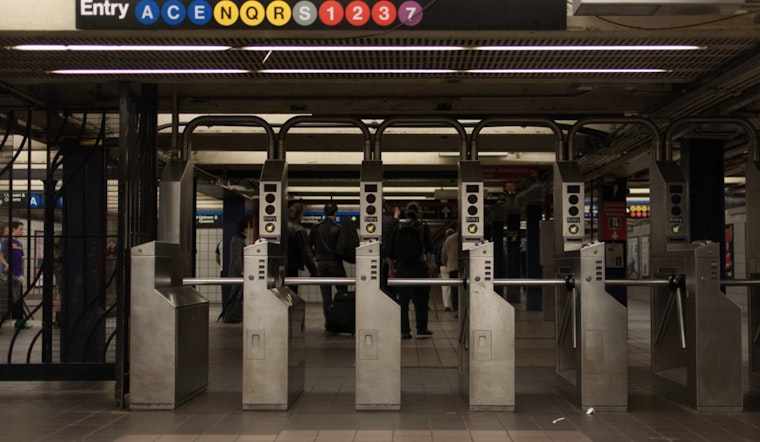
January opened with a split-screen story on New York City’s subway: major felonies ticked up while fewer riders were cited or arrested for lower-level transit violations. The result is a mixed message for a system that Albany and City Hall insist is getting safer, especially for commuters riding later into the evening who feel like there is a thinner margin for error on platforms and trains.
Major felonies rose even as arrests fell
Major felonies recorded in the transit system rose 6.1% year over year in January 2026, increasing to 174 incidents from 164 the prior January. At the same time, arrests in the transit system slipped to 2,785 last month, a roughly 3.1% decline from the same month a year earlier. Those figures come from MTA and NYPD tallies reported by amNewYork.
Fare evasion and TAB summonses plunged
State transit records show Transit Adjudication Bureau (TAB) summonses, the civil notices issued for violations like turnstile jumping or smoking, fell about 15.6% year over year to 8,024 in January from 9,512. In contrast, criminal summonses that require a court appearance rose roughly 11% compared with January 2025, reflecting a shift in how some violations are being handled. The underlying dataset is publicly available on data.ny.gov, while the MTA describes TAB procedures on its Transit Adjudication Bureau page.
Hate incidents and high-profile violence
Antisemitic hate incidents on the subway system climbed to eight in January from two the year before, adding a new layer of anxiety for riders who already feel on edge. Those numbers landed just ahead of a series of violent incidents in February, including a fatal shooting on the platform at the 170th Street station in the Bronx on Feb. 10. The monthly statistics and those incidents were detailed in reporting by amNewYork.
Officials push patrols and outreach
Officials are selling a two-track approach: more visible patrols paired with expanded outreach to riders in crisis, arguing that enforcement and services have to move together. Governor Kathy Hochul has directed new funding for patrols and for growing the SCOUT co-response outreach teams, which pair officers with clinicians to connect people in need to services, as outlined in the state’s 2026 policy materials. The governor’s plan and related details are laid out in the State of the State materials.
Riders want services, not just arrests
Advocates say they welcome the attention to safety but caution that patrols alone will not fix the rider experience. They are pressing for a mix of targeted enforcement, data-driven outreach and basic station upkeep. Brian Fritsch, associate director of the Permanent Citizens Advisory Committee to the MTA, has called for balancing enforcement with services and rider supports. PCAC’s testimony and materials outlining those priorities can be reviewed on the group’s site PCAC.
City leaders and riders will be watching the February and March reports closely to see whether the current strategy changes the trend lines. For now, the latest numbers underscore that judging subway safety means looking at both violent crime and how the system polices and adjudicates lower-level violations.



