

























































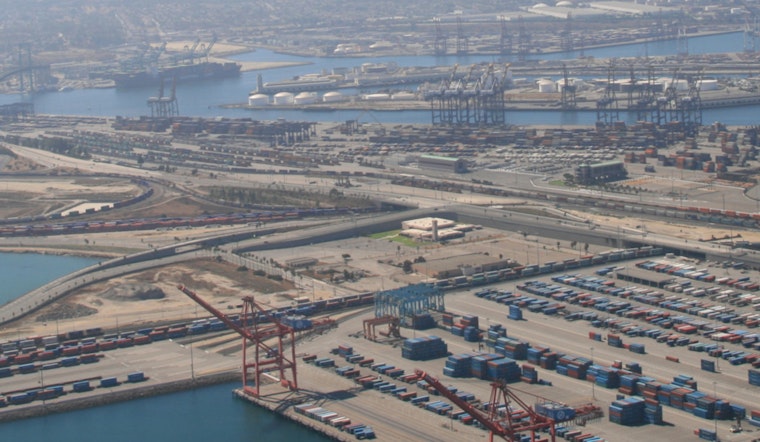
After a frantic, tariff-fueled sprint last year, containers at the Port of Los Angeles are now rolling in at a far more relaxed pace. Import volumes have eased off, and the scramble that had terminals and inland warehouses bursting at the seams has given way to schedule shuffles and trimmed overtime for the people who keep the cargo moving.
Port-Level Slump And What Officials Say
According to Bloomberg, total container traffic at the port fell about 12% in January after shippers rushed freight through ahead of President Donald Trump's tariff announcements, then pulled back on new bookings. Port officials say inventories are still slightly elevated from that earlier rush, according to the Port of Los Angeles, and Executive Director Gene Seroka told reporters that "there are several factors at play" as the complex works through the comedown.
National Picture: Frontloading Hangover Hits Imports
The slowdown is not just an LA story. U.S. container imports totaled about 2.32 million TEUs in January, down 6.8% from a year earlier, a shift that Descartes Systems Group says reflects a move back toward steadier restocking instead of another tariff-driven stampede. Data from Descartes Datamyne shows ports working through cargo that was pulled forward ahead of tariff deadlines.
Local Ripple Effects For Workers And Businesses
That digestion phase has real consequences on the ground. Dock crews, truck drivers and warehouse operators who bulked up shifts and staffing for last year's frontloading are now dealing with a calmer, and in some cases thinner, flow of work. Labor leaders and logistics firms had already warned during earlier tariff rounds that lighter shifts and fewer truck runs could follow the initial rush, a pattern detailed by The Guardian.
What To Watch Next
Whether this turns into a brief breather or a longer slump will hinge on policy and inventory decisions. Forecasters say a pending legal fight over tariff authority, along with any new federal announcements, could again reshape ordering patterns. The National Retail Federation's Global Port Tracker projects that the first half of 2026 could bring lower volumes compared with last year's unusually high levels.
For now, port managers are preaching resilience. Ships are still getting worked, and infrastructure projects announced at the Port's January "State of the Port" briefing are moving ahead even as terminals, truckers and retailers adapt to a choppier rhythm of cargo. How smoothly that recalibration unfolds will help determine hiring, truck schedules and what actually shows up on store shelves across Southern California this year.





