

























































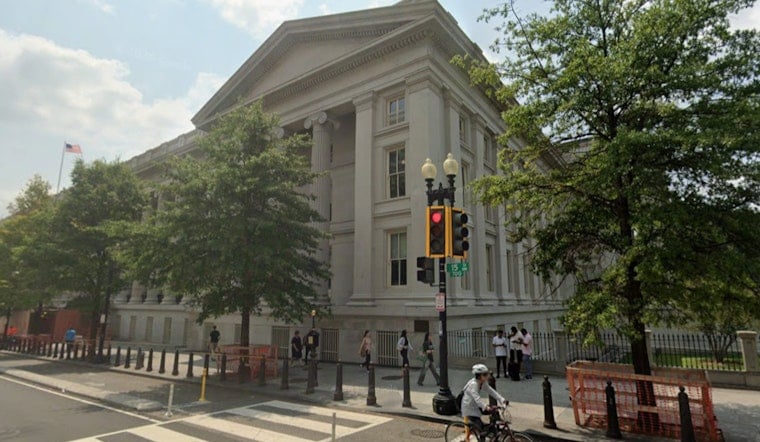
Washington’s Treasury Department on Wednesday rolled out a sweeping new round of sanctions, targeting more than 30 individuals, companies and vessels it accuses of helping Iran ship petroleum overseas and hide the resulting cash. The Office of Foreign Assets Control said the new designations zero in on tankers in Iran’s so-called “shadow fleet” and on networks that the United States says help Tehran obtain parts for missiles and unmanned aerial vehicles. Treasury officials framed the move as another salvo in a sustained effort to cut off revenue that, in Washington’s telling, bankrolls weapons programs and domestic repression.
In a press release from the U.S. Department of the Treasury, OFAC said it has designated 12 shadow-fleet tankers, including the Panama-flagged HOOT and the Barbados-flagged OCEAN KOI, and named multiple companies and individuals in Iran, Türkiye and the United Arab Emirates that it links to illicit petroleum sales. According to the release, those networks funnel revenue to the Islamic Revolutionary Guard Corps and the Ministry of Defense and Armed Forces Logistics to support ballistic missile and advanced conventional weapons programs. “Iran exploits financial systems to sell illicit oil and support its terrorist proxies,” Secretary of the Treasury Scott Bessent said in the statement.
Why Treasury acted
U.S. officials say the oil sales routed through these networks generate hundreds of millions of dollars, money they argue is siphoned away from public services and redirected toward military and proxy forces. As reported by the AP, the latest designations arrive ahead of planned nuclear talks in Geneva and follow a buildup of U.S. military assets in the region. Coverage from WBFF (Fox Baltimore) highlighted Treasury’s broader “maximum pressure” messaging, describing a campaign meant to choke off Tehran’s key revenue streams.
How the 'shadow fleet' evades scrutiny
Ship-tracking experts and prior enforcement cases show that tankers in this shadow fleet often rely on tricks such as frequent flag changes, bogus paperwork and manipulation of tracking systems to disguise where cargo comes from and who really owns it. The Washington Post has detailed how these tactics let older tankers keep moving oil through opaque intermediaries and shell companies, making it harder for regulators and insurers to know what they are dealing with. That murkiness is a big part of why Treasury says it must target not only the ships themselves but also the dense web of companies and brokers that supports them.
Tehran's likely response
Iran has repeatedly rejected U.S. accusations about its oil trade and, in earlier rounds of penalties, has pushed back hard on Washington’s designations. Al Jazeera noted that Tehran has previously described similar moves as “piracy.” The Iranian government is expected to deny any wrongdoing and lodge diplomatic protests, even as the United States leans on global financial institutions and insurers to steer clear of the newly designated actors.
How the sanctions work
In its release, the U.S. Department of the Treasury explained that the designations freeze any U.S.-based assets belonging to the listed parties and bar U.S. persons from doing business with them. Treasury said the action was taken under Executive Orders 13902, 13382 and 13949, legal authorities meant to raise the commercial risk for banks, insurers and shippers that might otherwise help move Iranian petroleum or handle payments tied to Iran’s weapons programs.
The new designations build on months of heightened U.S. pressure against Iran’s oil trade and will put private-sector players to the test on how rigorously they manage sanctions exposure. For now, Washington says it will keep going after the financial and shipping networks it links to Tehran’s weapons programs, even as diplomats pursue negotiations on a parallel track.



