

























































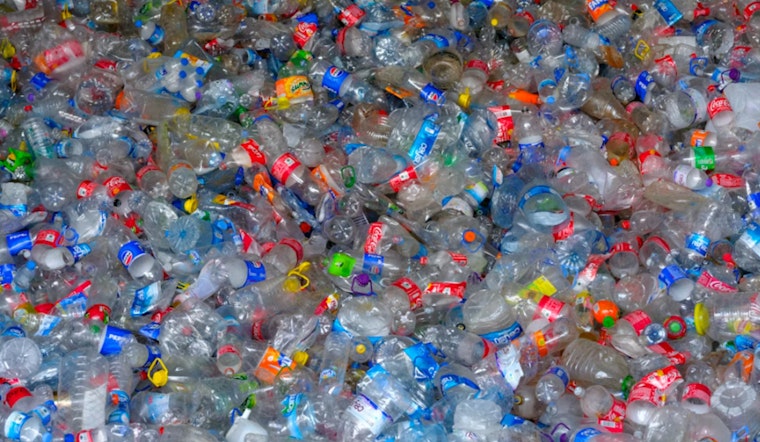
After more than four decades stuck at a nickel, New York’s bottle deposit may finally be ready for a growth spurt. Lawmakers in Albany are weighing a proposal that would double the refund on returnable containers from 5¢ to 10¢ and pull a lot more drinks into the system. For everyone from casual recyclers to full-time canners, that is real money on the sidewalk.
What the bills would change
The package, filed as S.5684 in the Senate and A.6543 in the Assembly, would raise the consumer refund value to ten cents and gradually expand which beverages qualify as refundable. As outlined by the New York State Senate, the legislation would also boost the handling fee paid to redemption centers and set up grant programs aimed at keeping local collection sites open instead of shuttered. Both bills are still parked in committee while lawmakers haggle over how, or whether, to fold the overhaul into the state budget.
Which drinks would be added
The proposal targets the drink aisle New Yorkers actually shop today, not the one from the early 1980s. Sports drinks, iced teas, flavored waters, bottled coffee and certain juices that were barely on shelves when the law was first written would be added to the list of redeemable containers. Campaigners have dubbed the plan the “Bigger, Better Bottle Bill” and say the two-step expansion would modernize a program that has not seen a major update in decades, as the Bigger, Better Bottle Bill campaign explains. The campaign’s outline calls for phasing in most drinkable liquids while keeping infant formula and dairy products exempt.
Redemption rates, and a nearby example
Right now, New York redeems roughly two thirds of eligible containers statewide, according to the Container Recycling Institute. States that set deposits higher than a nickel have historically seen stronger return rates. Advocates regularly point to Michigan, which moved to a 10¢ refund decades ago and for years reported redemption rates hovering near 90 percent. Those numbers have bounced around in more recent years, but supporters say the broader lesson holds: a bigger deposit tends to pull more cans and bottles back from the trash.
Redemption centers and the economics
That extra nickel is not just about padding pocket change. Supporters argue a 10¢ deposit could help stabilize the small businesses that keep the whole system running. Handling fees that distributors pay to redemption centers have not kept up with rising costs, and many centers have closed over the past two decades, shrinking access in dense urban neighborhoods where people are most likely to rely on them. Next City has reported on how those thin margins have squeezed operators and the independent recyclers who depend on them. The new bill would increase the handling fee in stages and create an assistance fund that could help centers upgrade equipment and extend hours.
Politics and the budget clock
Advocates are racing the state’s budget calendar, trying to hitch the bottle overhaul to New York’s annual fiscal negotiations. Supporters are hoping the proposal gets baked into this year’s budget before Albany wraps its work around the start of the state’s fiscal year, as Time Out has reported. That timing question is not just procedural inside baseball; it may decide whether a 10¢ refund becomes law this session or gets pushed off yet again.
What it would mean for everyday New Yorkers
For consumers, the math is straightforward. A bag of 100 redeemable cans that now returns $5 would be worth $10 if the deposit climbs to a dime. For independent recyclers and low-income New Yorkers who rely on collecting empties for cash, advocates say that extra nickel per container can turn into a meaningful bump in income over a week or a month. Backers also argue that any hit at the checkout counter would likely be limited, since deposits are returned once containers make their way back to a redemption point instead of the trash can.
Who’s pushing back
Not everyone is raising a reusable glass to the idea. Beverage industry groups and retailers are pushing back, warning that a higher deposit and a longer list of returnable containers could create logistical headaches and potentially higher prices for shoppers. Concerns from retail and industry interests, including past lobbying and legal resistance, were detailed by the Times Union. As the debate heats up again, lawmakers are being asked to balance cleanup and recycling goals against storage space in back rooms and costs at the register.
What’s next
For now, both bills are alive but still making the slow walk through Albany. The Senate version sits in the Environmental Conservation Committee, while the Assembly bill waits for its own committee action. Lawmakers will have to decide whether to approve the changes as stand-alone legislation or roll them into the final budget deal, a call that will determine how quickly higher deposits begin showing up on shelf tags and in neighborhood change jars. After years of talk, a 10¢ deposit is suddenly looking more politically plausible than it has in a long time, but nickels will keep ruling the bottle return machine until lawmakers actually pull the trigger.



