

























































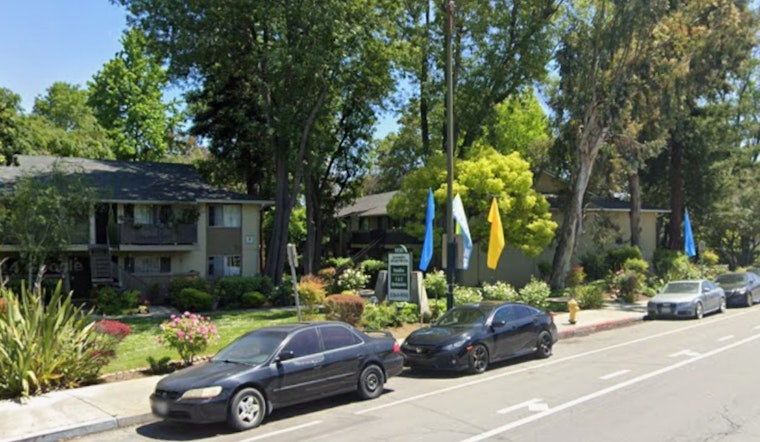
A Beverly Hills investment affiliate has shelled out roughly $41 million for Almaden 1930, a 152-unit, income-restricted apartment complex at 1930 Almaden Road in San Jose. The deal pencils out to about $270,000 per unit and lands well above the property’s most recent tax assessment, adding fresh fuel to a growing trend of outside investors scooping up subsidized housing across the Bay Area. For tenants at the Willow Glen–area property, many of whom qualify under federal low-income programs, the building is now in new hands.
Sale details
According to The Mercury News, an affiliate of a Beverly Hills investment firm bought Almaden 1930 for about $41 million. County assessment records displayed on Zillow put the property’s most recent assessed value at about $34.1 million, meaning the sale closed roughly 20.6 percent above that figure. Public records show the deal works out to about $269,700 per unit.
Property profile and tenant limits
Almaden 1930 has 152 units in total, with 151 of them income-restricted and marketed through local affordable-housing channels. The United Effort Organization’s listing for the building shows a one-person annual income limit of about $82,620 and a four-person household limit near $118,020, numbers that are used to set rents. Regional affordable-housing databases also list the complex as supported by federal low-income housing tax credits under Section 42, which carry long-term rent and eligibility rules that appear across local affordable-housing directories and databases.
Why investors are buying affordable stock
Stabilized, subsidized apartment complexes have become popular targets for investors because subsidies and tax-credit equity can make operating cash flows more predictable than fully market-rate rentals. Trade reporting has highlighted several major South Bay transactions in recent months, including the $370 million sale of the Park Kiely complex, as evidence of continued institutional appetite for affordable and subsidized portfolios. In a number of those larger deals, buyers have paired acquisitions with financing structures or tax strategies aimed at funding rehabilitation work and property upgrades.
What the tax credits mean for tenants
Low-income housing tax credits come with compliance and extended-use requirements that typically lock in affordability for at least a 15-year compliance period and commonly for about 30 years in total, according to legal analyses from housing law experts. Owners are required to submit annual compliance certifications, and state agencies monitor the projects, so a simple change in ownership does not usually wipe away rent caps or income limits. New ownership can, however, bring different property management approaches, renovation plans or financial strategies, which may affect day-to-day life for tenants even while the regulatory protections stay in place.
What to watch next
County deed records, city filings and any future statements from the buyer will be the key places to see whether the new owner pursues major renovations, tax exemptions or other operational changes. San José’s housing department maintains information on affordable properties and tenant rights that residents can turn to as more details emerge. County records and public notices will be the primary sources for confirming the buyer’s plans and any resulting impacts on residents at Almaden 1930.





