

























































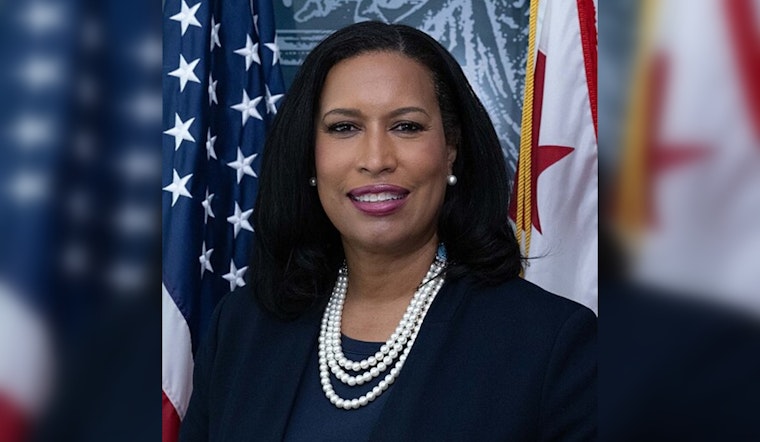
Washingtonians might soon find it easier to open bars, launch breweries, or sip a drink at a sidewalk pop-up, if Mayor Muriel Bowser’s latest alcohol overhaul gets through the D.C. Council.
On Friday, Bowser rolled out a wide-ranging package to rewrite parts of the city’s alcohol laws, pitching it as a way to cut licensing red tape and jump-start the District’s still-wobbly hospitality sector. The proposal is framed as both a jobs plan and a neighborhood revival strategy, with special attention on Wards 5, 7 and 8 and on struggling downtown corridors.
In a press release, the Mayor's Office said the measure, called the DC Hospitality Amendment Act of 2026, is designed to streamline licensing and spur local economic growth. On Facebook, Bowser said the changes are meant to make it easier to do business and help residents “realize their dreams of entrepreneurship.”
What the Bill Would Change
The proposal would set up new pop-up and permanent restaurant license categories for Wards 5, 7 and 8 and for downtown, a clear signal about where the administration wants to see new activity and foot traffic.
It would also establish a contract-brewing license and expand where and how local breweries, distilleries and wineries can sell their products. On top of that, the bill calls for an outdoor activation license for registered public spaces and would let Business Improvement Districts designate certain streets for permitted alcohol consumption during approved events.
The text further authorizes specific distillery collaborations and expansions of brewpub operations under defined conditions. It also proposes an update to the District’s “doggie bag” rules so that securely resealed malt beverages could leave bars or restaurants, under spelled-out safeguards. Full details are laid out in the bill language posted by the Mayor's Office.
Who Stands to Benefit
According to the Mayor's Office, the act would waive application and licensing fees for new art galleries and bookstores in targeted wards for three years, part of a broader attempt to fill vacant storefronts with cultural and community-focused businesses.
The bill also promises more flexible license options so restaurants can open faster and adjust as they grow. Another key piece is lowering barriers for returning citizens to own or work at alcohol-serving venues, which the administration is framing as both economic and reentry policy.
All of this is wrapped in a “Made in DC” push. The measure aims to boost local manufacturing by allowing wider on-site sales of D.C.-made products at licensed breweries, wineries and distilleries, so more of what is poured in the city is also produced here.
How Licensing Works Now
Right now, alcohol licensing and enforcement sit with the Alcoholic Beverage and Cannabis Administration, better known as ABCA. The agency manages permits, hearings and endorsements for manufacturers and retailers and runs tools like the Extended Holiday Hours program.
ABCA’s site outlines the current patchwork of license types, as well as the public notice and protest process that applicants must navigate. Any new categories created by Bowser’s bill would be funneled through that same agency. If the Council signs off, ABCA would be responsible for writing rules and issuing operational guidance for businesses that want to use the new options.
Next Steps
The DC Hospitality Amendment Act of 2026 has been sent to the Council “at the request of the Mayor.” The bill text shows it would amend multiple sections of Title 25 of the D.C. Code to create the new license categories, rules and fee structures.
From here, the measure will head to Council committee hearings, followed by votes. If it passes, ABCA would then handle the rulemaking needed to put the new licenses and fee waivers into practice. The full statutory language and proposed fee schedules are posted by the Mayor's Office.
Politics and What to Watch
This hospitality package lands in the middle of a tense local fight over how to support restaurants, bars and workers at the same time. Bowser previously pushed changes to the rollout of the tipped-wage measure known as Initiative 82, a move that split business groups and labor advocates. Coverage by The Washington Post has detailed how that battle has shaped the city’s economic agenda.
The coming Council hearings on the DC Hospitality Amendment Act of 2026 will test whether business owners, workers and neighborhood leaders can agree on how much flexibility the alcohol industry should get in the name of economic recovery, and how that balance plays out in communities from downtown to east of the river.



_(cropped).jpg)