

























































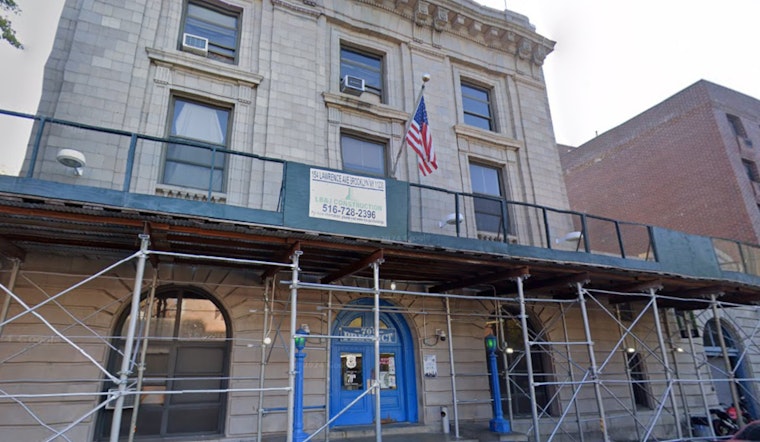
Brooklyn drivers are being hit with alarming texts that claim “Enforcement Action Initiated,” but police say it is nothing more than an aggressive scam trying to grab your cash and personal info.
The NYPD 70th Precinct warned residents Tuesday that the circulating text urges people to scan a QR code or click a link and pay immediately to avoid a license suspension or a court date. Officers are telling New Yorkers to delete the message, block the sender and report it instead of replying or paying.
According to the NYPD 70th Precinct, the notice that has been shared around looks like an official “Notice of Default,” cites Vehicle and Traffic Law §510, and even lists a March 25 hearing at New York City Criminal Court. The precinct’s post, which included an attached document dated March 2, warned residents not to click links, scan QR codes or send payment as instructed. Police say it is a classic phishing attempt designed to harvest payment or identity information.
If you get a text saying “Enforcement Action Initiated,” It’s a Scam!
— NYPD 70th Precinct (@NYPD70Pct) March 31, 2026
❌Do not click
❌Do not scan
❌Do not pay
Report and block the sender.
Government agencies will NEVER send legal notices by text or QR code. pic.twitter.com/K0k0MMr6Ti
How The Fake Notice Works
The bogus notices typically use an intimidating header such as “NOTICE OF DEFAULT - ENFORCEMENT ACTION INITIATED,” throw in legal citations and feature a QR code that pushes people to a fake payment page instead of an official court or government portal. Similar warnings have cropped up in Florida and Colorado, with FOX35 Orlando and KOAA both showing examples of the same style of “scan to pay” flyers and text messages.
City Guidance For New Yorkers
As outlined on the city’s ParkNYC site, New York City does not send parking violation or camera violation notices by unsolicited text. Drivers are urged to verify tickets only through official channels. If you think a citation might be real, log into ParkNYC or call 311 to confirm. Do not enter payment details on any website you reached by tapping a link in an unexpected text.
Protect Yourself And Report It
If you already clicked a link or entered card details, contact your bank immediately to dispute any charges and freeze accounts if needed. You can report scams to the Federal Trade Commission at ReportFraud.FTC.gov and file a complaint with the FBI’s Internet Crime Complaint Center at IC3. Reporting locally to 311 or your precinct also helps investigators track patterns and possible sources.
Police recommend blocking and deleting suspicious messages, taking screenshots for your records and sharing any evidence with your local precinct. The 70th Precinct says quick community tip-offs and fast reporting remain the best defense against scams like this.





