

























































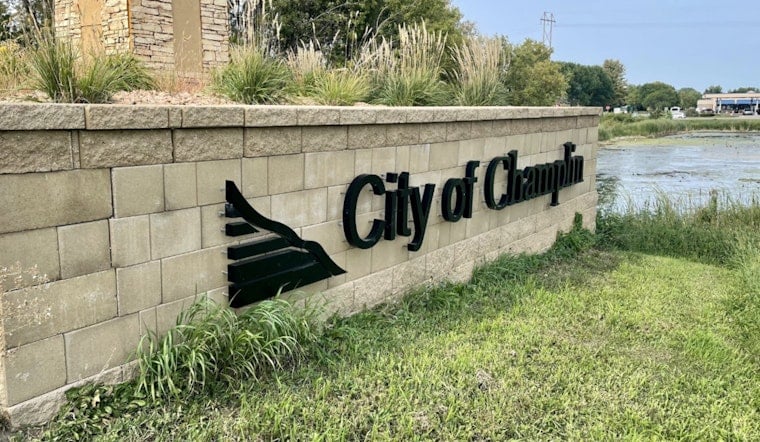
Champlin officials say the city is getting squeezed by a rapid spike in small congregate-care or "group home" operations and has now teamed up with neighboring suburbs to push the Legislature for help. City data show calls for service to these addresses have climbed sharply in recent years, and the city-run social work program has hit capacity. Local leaders argue that clusters of licensed homes are leaning heavily on police, fire, EMS, and social services, and they want lawmakers to give cities new notification, spacing, and oversight tools.
City posts numbers and joins regional push
In a March 31 post on the City of Champlin's Facebook page, officials reported that Champlin has 54 congregate-care facilities and that calls to those locations jumped from 397 in 2020 to 879 in 2025. The city described that rise as "more than 120%." The same post notes that the Champlin Police Department has about 30 sworn officers and an embedded social worker whose caseload is already full.
The post lands on the heels of reporting by MPR News, which on March 25 detailed how a surge in group homes has stressed police and social services in Brooklyn Park. That coverage helped spur a northwest metro coalition of cities that is now raising the issue with state lawmakers.
What lawmakers are considering
Cities in the coalition are backing House File 4144, along with a companion bill in the Senate. A memo filed with the House Human Services Committee says the legislation would extend facility-distancing standards to cities of every size, require cities to be notified when provider licenses are issued or transferred, and set up a state and local partnership for inspections and life-safety checks. The same document notes that mayors from Brooklyn Park, Brooklyn Center, Champlin, Coon Rapids, and several other northwest suburbs signed a March 11 letter backing the bills.
Local officials say services are stretched
Champlin Mayor Ryan Sabas told residents in the city’s post that “the provisions negotiated with stakeholders will begin to address some of the challenges residents are facing and the overconcentration of congregate care settings.” City officials say that more licensed homes are showing up in tight clusters in certain neighborhoods, which they link to increased 911 calls and fewer chances for residents to live in more integrated neighborhoods.
Supporters and providers disagree on the effects
Supporters argue that HF 4144 would bring back municipal tools removed in recent legislative sessions and would tighten safety and oversight. Providers, on the other hand, warn that tougher distancing requirements could choke off access to specialized care in areas where demand already exceeds supply. Both positions are laid out in testimony and letters submitted to lawmakers as the bills move through committee, with the memo and written testimony highlighting those tradeoffs.
As the session unfolds in St. Paul, legislators will decide how far to go with the proposals. Champlin leaders say they plan to keep working with neighboring cities and to watch how any changes land with first responders and residents. City officials also say they will be tracking whether new rules cut emergency workloads without shrinking the overall menu of care options.





