

























































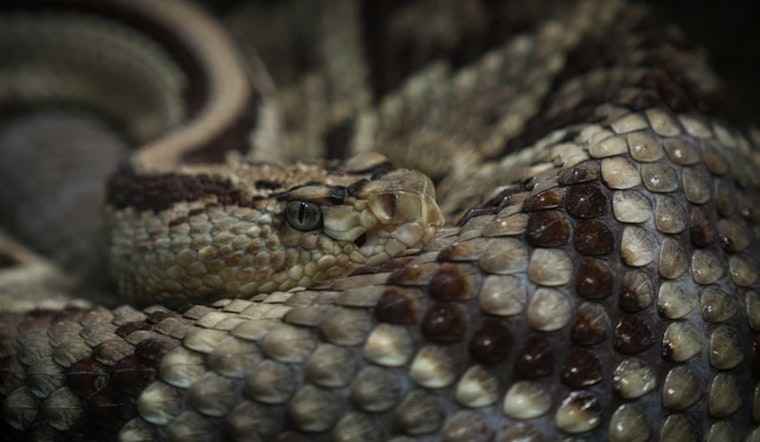
A University of Colorado student came home from a Costa Rica trip with a wild extra in her luggage. When she unzipped her suitcase, a live snake was curled up inside. The animal was removed without anyone getting hurt and is now in the care of the Denver Zoo Conservation Alliance, where staff says it has been isolated while they figure out what happens next.
According to Fox43, local pest-control workers called to the home quickly realized the reptile was not native to Colorado. They reached out to a reptile shop in Boulder, which helped connect experts who identified the animal as a slender hognosed pit viper, a venomous species found in Central America. Those experts then helped arrange for the zoo to take custody. Fox43 reports the whole episode began when the student started unpacking at home after the trip.
"We're often in the position to be a rescue agency," Jake Kubié said, per Fox43. The outlet notes the viper is a juvenile of roughly two months, weighing about 18 grams, and has been placed in a six-month quarantine while veterinarians and curators consider options that include returning it to its native range, transferring it to a research or education facility, or finding it a permanent home.
Zoo Takes Custody and Weighs the Next Move
Denver Zoo Conservation Alliance says its animal-care team manages nearly 40 snake species and follows strict quarantine and safety protocols whenever it works with venomous animals. The zoo’s published species inventory lists slender hognosed pit vipers among the snakes it has handled in the past, giving staff institutional experience with this particular species. For now, while officials decide the viper’s long-term future, it will stay in isolation under veterinary care at the zoo.
About the Slender Hognosed Pit Viper
The slender hognosed pit viper (Porthidium ophryomegas) is a venomous pit viper native to parts of Central America, including Costa Rica, according to Wikipedia. Scientific literature describes adults as small to medium-sized snakes that can reach around two feet in length, with size varying by region and study, as per ScienceDirect. Herpetologists note that juveniles are cryptic and easy to overlook in leaf litter or luggage, which helps explain why the snake was not immediately spotted until unpacking began.
Travel and Safety Takeaways
Wildlife experts say episodes like this are rare, but they highlight two simple rules that always apply: do not handle snakes you cannot identify, and call local animal control or wildlife officials to remove them. Most commercial airline rules and international standards already make packing live reptiles in regular luggage difficult or outright forbidden. The International Air Transport Association’s Live Animals Regulations set strict requirements for air transport of animals, and many carriers prohibit reptiles in passenger baggage altogether.
For a broader context on how reptiles sometimes wind up in shipments or bags, U.S. Fish & Wildlife Service enforcement actions have documented cases involving reptiles that appeared in illicit cross-border cargo tied to the illegal wildlife trade.
In this case, officials say no one was injured, and the student is doing fine. The zoo is expected to share updates if the viper is transferred, repatriated, or placed permanently in a collection.





