

























































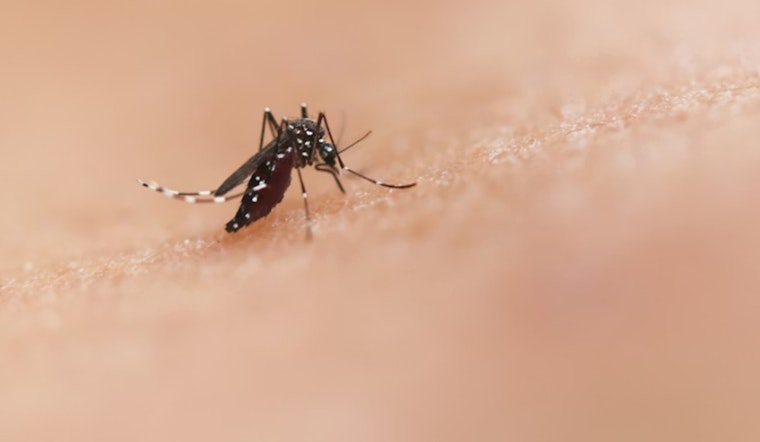
The Centers for Disease Control and Prevention has issued a global travel health notice for dengue, the mosquito-borne illness often called "breakbone fever," warning that cases are rising across multiple regions and that the disease can progress quickly. With no specific antiviral treatment and only limited vaccine options, officials are stressing old-school basics for anyone heading overseas: avoid bites and get medical help fast if you feel sick after a trip, as per CDC.
CDC posts Level 1 "Global Dengue" travel notice
On Monday, the agency posted a Level 1 "Global Dengue" travel health notice that flags countries reporting higher-than-expected dengue activity, including Colombia, Cuba, Bangladesh, Pakistan and several Pacific island nations. The notice also points to an uptick in U.S. travelers who test positive after returning. According to the CDC, travelers should use an EPA-registered insect repellent, wear long sleeves and pants, and sleep in air-conditioned or well-screened rooms to cut their risk.
Symptoms and warning signs
Dengue usually shows up as a high fever along with severe headache, pain behind the eyes, intense muscle and joint aches, nausea, vomiting and a rash. Most people ride it out with mild to moderate illness, but a smaller number can deteriorate quickly and develop life-threatening disease. The clinical overview in StatPearls notes that warning signs such as severe abdominal pain, persistent vomiting, bleeding, rapid breathing or extreme lethargy call for immediate emergency care.
No cure and limited vaccine options
There is no specific antiviral treatment for dengue, so care is supportive and centers on careful fluid management and close clinical monitoring. The CDC Yellow Book explains that there are no dengue vaccines recommended for travelers to non-endemic areas and that the only U.S. vaccination recommendation (Dengvaxia) is narrowly limited to certain children in endemic U.S. territories.
What local health officials are saying
State health departments are echoing the federal message and reminding clinicians to ask about recent travel when a patient shows up with an unexplained fever. The Massachusetts Department of Public Health's traveler guidance notes that "there is no vaccine (shot) or medicine available to protect travelers from dengue fever" and directs clinicians to federal resources for testing and reporting; see Massachusetts DPH.
Vaccine progress abroad offers hope but does not change guidance
Researchers have reported promising long-term results for a single-dose vaccine developed in Brazil. A phase-3 trial published in Nature Medicine found strong protection against severe dengue over five years. Those advances are encouraging, but public health officials continue to urge U.S. travelers to focus on mosquito-bite prevention while vaccine availability and approvals catch up.
If you develop a fever, severe headache or intense body aches within about two weeks of travel to a tropical or subtropical area, seek medical care and tell your clinician exactly where you went so appropriate testing can be done. State and federal health pages listed above have up-to-date checklists and reporting contacts for clinicians and the public.





