

























































Midtown Manhattan briefly turned into a protest runway on March 29, as dozens of trans women, nonbinary people and allies took to the streets for the Doll Walk. The event blended theatrical flair with pointed politics, moving from Red Eye NY toward Columbus Circle to mark Transgender Day of Visibility and call out federal actions that participants say undercut transgender identity. The energy swung between street party and street protest, with marchers dancing at a Fifth Avenue fountain and hoisting a giant passport prop that made their message hard to miss.
Organizers, route and turnout
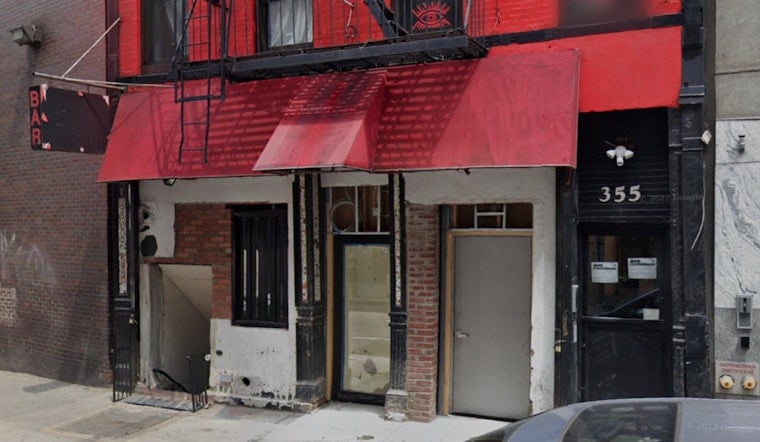
Trans comic Ashley Ryan pulled the Doll Walk together and opened the event with a safety briefing before the group set off from Red Eye NY at 355 W. 41st St., according to Gay City News. Marchers crowded onto the Port Authority subway platform and rode a single stop uptown to Columbus Circle, where the demonstration shifted into full protest mode around federal policy. Photos from the day show a sea of pastel blue, pink and white, with many attendees dressed in the colors of the trans flag.
What they were protesting
The Doll Walk zeroed in on recent federal changes that participants say make it harder for transgender Americans to have accurate identity documents, particularly passports. A federal judge in 2025 partially blocked the administration’s passport rules, which had suspended processing of requests for an "X" gender marker and limited changes to sex designations, in a case brought by the ACLU, according to AP News. Organizers framed that passport fight as one piece of a broader federal pattern that activists say is aimed at erasing transgender and nonbinary people from public life.
A mix of protest and celebration
The Doll Walk leaned hard into spectacle to get its point across. Marchers danced by the Columbus Circle fountain and lugged a giant passport sign meant to literalize how ID rules play out in daily life, as Gay City News documented. Longtime activist Randy Wicker appeared among the crowd, linking the afternoon’s pageantry to decades of New York City LGBTQ advocacy. Organizers stressed that visibility and safety had to go hand in hand, and argued that smaller, very public demonstrations like this can still turn up the heat on policymakers.
Where this fits
The Doll Walk unfolded just ahead of Transgender Day of Visibility, observed every year on March 31. The Human Rights Campaign describes the day as both a celebration of trans and nonbinary people and a reminder of the threats they continue to face. Around the city, local observances have in past years ranged from lighting up landmarks to police outreach events, a pattern Hoodline has tracked as part of broader civic responses to shifting federal policy. In that landscape, the Doll Walk offered a street-level mix of joy and insistence, with glitter and costumes doing double duty as political messaging.
Legal fight continues
The administration’s passport changes sparked a lawsuit the ACLU filed in February 2025. The complaint describes State Department directives that removed the "X" gender marker option from application forms and paused requests to change sex markers, according to court filings. The ACLU and other advocates have argued that the policy is arbitrary and discriminatory, and a federal judge granted a preliminary injunction for several plaintiffs last year, according to the ACLU’s complaint and related filings. That lawsuit has become a key rallying point for activists who are pressing for clear, identity-affirming rules around government-issued documents.
Organizers said the Doll Walk was designed to be both a defiant celebration of existence and a reminder that visibility itself is political at a time of national rollbacks. As Transgender Day of Visibility approached, participants hoped that their outfits, choreography and oversized props would stick in the public memory and help sustain pressure in the courts and beyond.


