

























































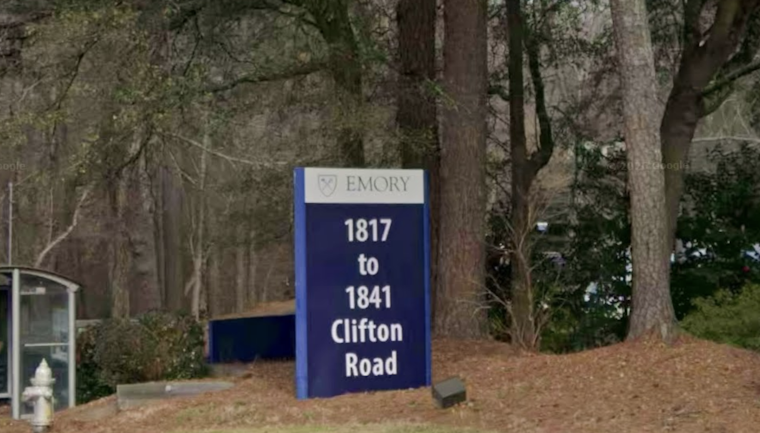
Twelve-year-olds are now eligible for treatment at Emory University Hospital’s addiction clinic, which has also unveiled a renovated 7,000-square-foot outpatient wing aimed squarely at teens and young adults. The goal is straightforward but urgent: get young Georgians into medication-assisted treatment, counseling and telehealth before casual use hardens into a full-blown addiction.
As reported by WABE, the center lowered its minimum age from 13 to 12 and expanded the menu of services available free of charge regardless of insurance status, including telehealth therapy and group counseling. WABE also noted that Emory officials said the renovation and program expansion are backed in part by a two-year $4.4 million grant from the Georgia Opioid Crisis Abatement Trust, along with more than $2 million in private philanthropic donations.
The clinic’s push is part of the broader Addiction Alliance of Georgia effort to grow treatment capacity statewide. Emory News Center reported that the alliance, a partnership with the Hazelden Betty Ford Foundation, received $5.7 million in settlement funding, with roughly $3 million earmarked specifically to expand adolescent outpatient programs. Emory projects that the money will translate into thousands of additional patient encounters every year.
National numbers help explain the urgency. The Centers for Disease Control and Prevention’s 2023 Youth Risk Behavior Survey shows notable levels of substance use among high school students, with about 10% reporting illicit drug use, roughly 17% reporting recent marijuana use and more than 20% reporting alcohol use in the prior month. Data from the CDC play a central role in how public health officials plan adolescent services.
Some of Emory’s funding flows through the Georgia Opioid Crisis Abatement Trust, created after nationwide opioid settlements. The trust is distributing roughly $1.3 billion to projects in Georgia over an 18-year period to support prevention, treatment, harm reduction and recovery work. The Georgia Opioid Crisis Abatement Trust has become a major source of competitive grants for clinical providers and community programs.
What care looks like now
The Emory Addiction Center now offers a full outpatient lineup for adolescents and young adults that includes medication-assisted treatment such as buprenorphine and injectable naltrexone, psychiatric assessments, intensive outpatient programs, individual therapy, skill-building groups and dedicated family support sessions. Emory’s clinical materials describe a youth-focused model that weaves these services together rather than treating issues in isolation. Emory Healthcare highlights the program’s emphasis on integrated care for co-occurring mental health conditions that often travel alongside substance use.
Where this fits in the state picture
Advocates say the expansion fills a stubborn gap in Georgia’s behavioral health system. State-level analyses have long flagged uneven access to mental health and addiction care, with big swings in provider capacity depending on where families live. Trackers such as Mental Health America regularly rank states on availability and access, metrics that helped fuel calls to use settlement dollars for new clinics and workforce expansion. Data from Mental Health America are often cited when advocates argue that Georgia needs more treatment slots and better-trained clinicians.
Local leaders expect Emory’s boosted capacity to make it easier to move young patients from emergency departments and primary care offices into ongoing treatment instead of one-off crisis visits. The expansion is also designed to strengthen family-focused services that clinicians say are key to better outcomes. Emory and its partners are using settlement funds to roll out new training and workforce development efforts intended to increase the number of providers who specialize in adolescent addiction care. Emory News Center details these training plans and the added family-support programming.
For families trying to navigate treatment options, the Addiction Alliance of Georgia and Emory Healthcare maintain intake lines and referral pathways. The alliance lists a central help line, and Emory’s addiction services page includes appointment contacts for new and returning patients. For anyone in immediate crisis, the national Suicide & Crisis Lifeline is available by calling or texting 988. The Addiction Alliance of Georgia and Emory Healthcare offer details on how to schedule visits and what to expect when arriving at the clinic.



