

























































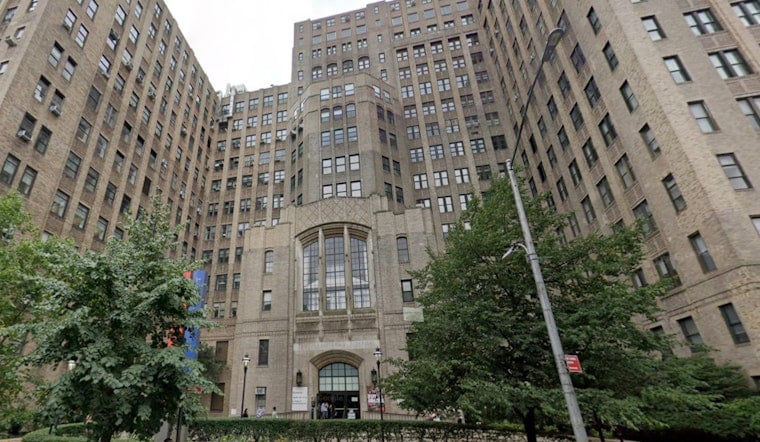
Federal prosecutors have hauled one of New York City's hospital powerhouses into court, accusing NewYork-Presbyterian of cutting deals with insurers that kept prices high and kept patients from being steered to cheaper care.
The U.S. Department of Justice filed a federal antitrust lawsuit on Thursday in the Southern District of New York, targeting contract terms that the government says insulated the system's hospitals from meaningful price competition.
As reported by The New York Times, the lawsuit alleges that NewYork-Presbyterian, which includes Columbia University Medical Center and Weill Cornell Medical Center, struck anticompetitive deals that blocked insurers from offering lower-cost plans or steering members to other providers. The Justice Department's acting head of the Antitrust Division called lower prices in health care "exactly the kind of kitchen-table priority we should be pursuing," according to the court filing and agency statements.
What the complaint alleges
The complaint points to several specific contracting practices: anti-steering and anti-tiering clauses, "all-or-nothing" bundling requirements, and so-called gag provisions that prevent health plans from directing members toward cheaper options. According to the government, those terms left employers and self-insured plans paying more for care than they otherwise would.
Legal filings and case trackers show that unions and benefit funds have already sued NewYork-Presbyterian over similar restrictions, arguing that these clauses prevented plans from designing lower-cost networks. Source on HealthCare has reviewed court filings in those cases, while the Georgetown litigation tracker has cataloged complaints that raise these same contract concerns.
Why New Yorkers care
NewYork-Presbyterian is one of the largest hospital systems in the city, with flagship campuses that handle complex, high-cost care. Critics say that scale gives the system significant leverage in negotiations and makes it hard for employers to find affordable in-network alternatives.
That market power, the complaint suggests, means any limits on insurers' ability to steer patients can translate into higher premiums and bigger out-of-pocket bills for workers and families across the region. Weill Cornell Medicine and Columbia University Irving Medical Center are both named in the filings as members of the broader NewYork-Presbyterian system.
DOJ's wider push
The NewYork-Presbyterian case lands in the middle of a broader Justice Department campaign aimed at hospital contracting practices across the country. Earlier this year, the agency sued OhioHealth over similar anti-steering and bundling terms, and in prior matters it has reached settlements that barred such clauses altogether.
Those antitrust actions, including a 2018 settlement that required Atrium Health to strip anti-steering language from its contracts, signal a renewed federal focus on whether dominant health systems are driving up costs. Coverage of the OhioHealth action by JDSupra/Mintz, along with the department's own Justice Department release on Atrium Health, helps sketch out the enforcement trend.
Legal implications
If the government proves its claims, judges could order NewYork-Presbyterian to stop enforcing the disputed contract terms and may award damages to harmed plans and employers, a remedy that could loosen the system's grip on commercial insurance networks.
Past enforcement suggests courts are willing to enjoin anti-steering clauses and require structural changes, although these cases can drag on for years and often turn on how the market is defined and whether there is clear evidence of consumer harm. Legal analysts told reporters that the NewYork-Presbyterian case will be an early test of how aggressively the Antitrust Division will go after vertical contracting practices in health care. Law360 has tracked similar probes and filings.
NewYork-Presbyterian did not immediately respond to requests for comment, according to reporting by The New York Times. The case will proceed in federal court in Manhattan, and lawyers say its outcome could reshape how hospitals and insurers negotiate coverage for millions of New Yorkers.




