

























































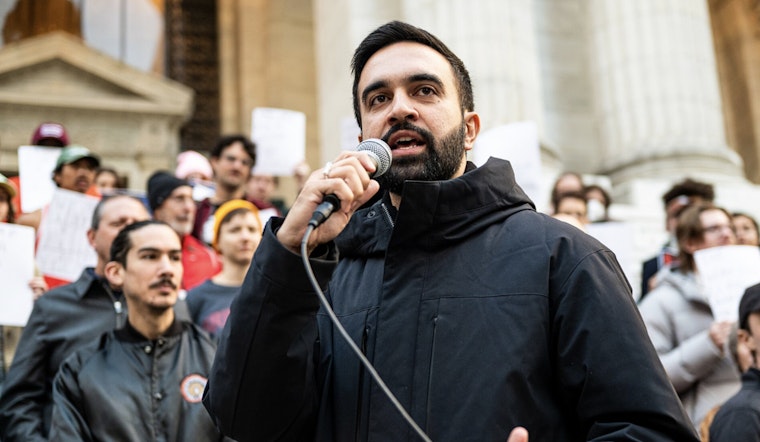
For many Muslim New Yorkers who remember being watched, questioned and quietly feared after Sept. 11, seeing Zohran Mamdani in City Hall is not just politics, it is personal. His election as mayor and his open Muslim identity have boosted confidence from Jackson Heights to Flatbush, a signal that they are not just on the NYPD’s radar anymore, they are part of the city’s power structure. Still, the glow is tempered by memory: detentions, raids and undercover surveillance linger in the minds of families who now weigh every new promise from law enforcement against what they lived through.
Fahd Ahmed, executive director of Desis Rising Up and Moving, recalls families whose loved ones were detained and jailed in post‑9/11 sweeps and says law enforcement later “sent in informants and undercovers” to monitor Muslim neighborhoods, as reported by Spectrum News NY1. He also told Spectrum News NY1 that the FBI and NYPD raided his Flatbush apartment multiple times during that period. Desis Rising Up and Moving, based in Jackson Heights, has for years helped families secure releases and press for accountability, according to DRUM.
From surveillance to settlement
The NYPD’s so‑called Demographics Unit spent roughly a decade mapping and monitoring Muslim communities, only to acknowledge in a 2012 deposition that the program produced no leads, according to reporting by the Associated Press. Those revelations, combined with years of organizing by groups like DRUM, helped drive federal lawsuits that ended in a negotiated agreement that imposed new safeguards and created a civilian oversight role, the ACLU and NYCLU say.
Organizers say the gains were hard‑won
“Now they have to be more responsive, more circumspect,” Ahmed said of law enforcement, reflecting on how community pressure forced changes in police practice, as reported by Spectrum News NY1. He added that the election of the city’s first Muslim mayor has “injected a lot of confidence into our communities,” and that organizers are preparing to hold City Hall to those expectations as new policy debates get underway.
What comes next
Zohran Mamdani was sworn in on Jan. 1, 2026, marking the city’s first Muslim mayoral administration and a historic moment for representation in City Hall, as reported by The Washington Post. Coverage by Hoodline has also followed the city’s power shift, tracking the inauguration and early policy pledges. Advocates say Mamdani’s victory opens the door to push for concrete policy changes on policing, immigration and housing while keeping close watch on how the court‑won safeguards on surveillance are actually implemented.
Leaders stress that pride and vigilance can, and must, coexist: the emotional lift of Mamdani’s win is already being translated into demands for enforceable oversight and community‑driven policymaking. For organizers who spent years fighting suspicionless surveillance, the real test is whether City Hall can turn symbolic firsts into lasting accountability.





