

























































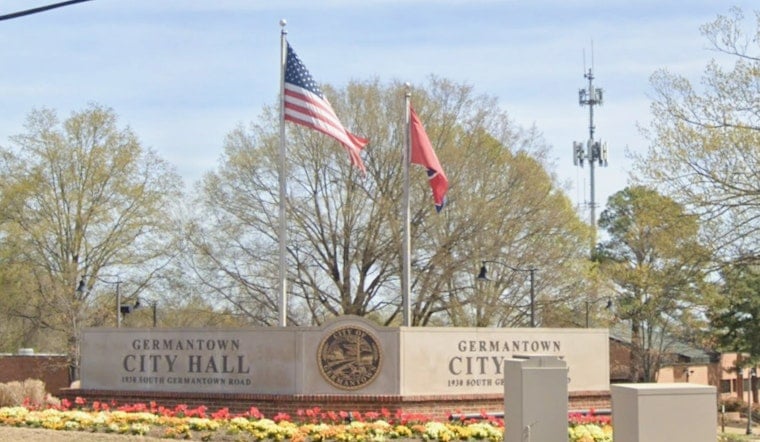
Germantown voters are about to decide whether the city’s top job should become a full-time gig. On May 5, residents will weigh in on a charter amendment that would make the mayor a full-time position, reshape the job’s duties, hand the Board of Mayor and Aldermen control over the salary, and, if approved, almost certainly apply to whoever wins the November 2026 mayoral race.
The referendum, announced by the city on March 19, 2026, is the result of a 2024 Board vote and follow-up state legislation filed in Nashville to put the question on a local ballot. Backers say a full-time mayor would bring clearer, more consistent executive leadership as Germantown keeps growing. Skeptics counter that the proposal raises big questions about cost, outside employment, and how transparent the whole setup would really be.
Ballot language and timing
The referendum language tracks closely with state legislation filed as House Bill 1416 and Senate Bill 1439. Those bills would amend Chapter 87 of Germantown’s charter to declare the mayor’s office a full-time position and authorize the Board of Mayor and Aldermen to set the salary. They also lock in the referendum for the first Tuesday in May 2026, which is May 5, or, if no Shelby County primary is held that day, for Aug. 6, 2026, according to the Tennessee General Assembly.
The bills spell out that the exact ballot question must appear on voters’ ballots and that the act only takes effect after the votes are canvassed and certified. In other words, it is not just an advisory poll. If Germantown voters say yes, the change becomes part of the city’s private acts charter once the election results are official.
When it would take effect
According to a March 19 post from the city, the charter amendment would kick in on Jan. 1, 2027 and would apply after the November 2026 mayoral election, per the City of Germantown. So whoever is elected mayor this November would likely be the first to serve under the full-time arrangement if voters approve it.
The state legislation itself focuses more on when the referendum happens and the requirement for certification, rather than spelling out that Jan. 1 effective date. Shelby County election records list the May 5 primary as the day the referendum would appear on local ballots if that primary is held, according to Shelby County Elections.
How the proposal reached the ballot
The path to this vote started in 2024, when Germantown’s Board of Mayor and Aldermen approved Resolution 24R10 asking state lawmakers to authorize a referendum. The charter item appears on the board’s October 2024 meeting agenda, according to the City of Germantown meeting record.
Once the board signed off, it was up to legislators in Nashville to carry the bills that would let voters have the final say. Earlier coverage in Germantown considers switch to full-time mayor role laid out who pushed the change at City Hall and how the idea gained traction.
Local debate and what’s at stake
The proposal has turned into one of Germantown’s most closely watched political fights. Supporters argue that a full-time mayor is simply the cost of doing business for a growing suburb, saying the city needs someone whose day job is running Germantown, not juggling city duties with other work.
Opponents, though, have plenty of questions. They worry about how much a full-time mayor will cost taxpayers, how clearly the charter will spell out the role and whether the person in the job could hang on to outside employment. Reporting by The Daily Memphian shows the issue has split the board and identifies former Alderman Jon McCreery as one of the most vocal backers of the full-time setup.
Legal process and next steps
For the change to become reality, the private act bill must first pass the Tennessee General Assembly, then Germantown voters must approve the referendum. The legislation specifies that the referendum is binding only after the vote is canvassed and certified, according to the Tennessee General Assembly.
If it passes, the Board of Mayor and Aldermen would set the mayor’s salary by ordinance, giving them considerable control over the new full-time role. City officials would also need to settle a key gray area that critics have already raised in public meetings: whether a full-time mayor could legally or practically keep any other job.
With the May 5 primary approaching, expect the full-time mayor question to dominate candidate forums, neighborhood gatherings and plenty of conversations around Germantown between now and Election Day.





