

























































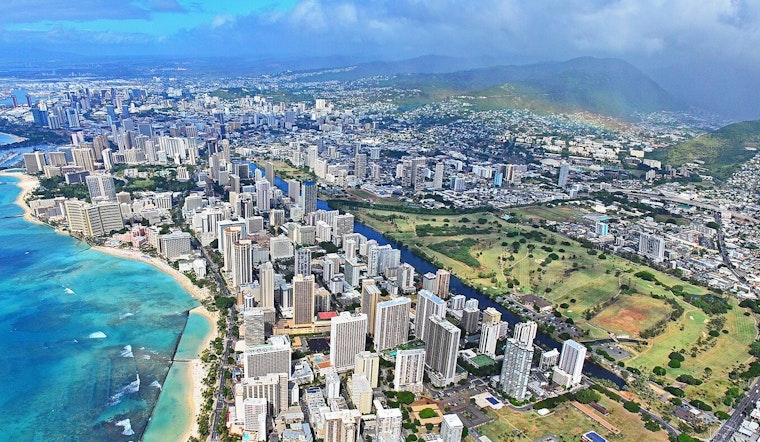
Hotel developers have been zeroing in on tourists, not newcomers. Over the last five years, builders funneled fresh rooms into marquee vacation spots and the nation’s capital, not into the states that picked up the most new residents. That split between where people moved and where beds were built is quietly reshaping lodging markets from the islands to the Beltway.
An analysis by Jan Freitag at CoStar Analytics found that between 2019 and 2025, the largest gains in hotel room supply landed in Hawaii and Washington, D.C., according to CoStar Analytics. The snapshot shows new keys clustering in destinations that reliably attract visitors rather than lining up with the states that are winning the population race.
That development pattern does not track with where the U.S. population is actually growing. Estimates from the U.S. Census Bureau show recent gains concentrated in a different mix of Sun Belt and inland states, driven by both domestic migration and international arrivals. Many of those newcomers are landing in places that have not seen a comparable bump in hotel construction.
Industry watchers are not exactly shocked. Data and pipeline tallies from Lodging Econometrics indicate that new builds, brand conversions and major renovations remain heavily concentrated in gateway and leisure markets. The Washington, D.C., area in particular has shown robust renovation and conversion activity in recent reporting.
Why developers chase tourists
On a spreadsheet, the logic is simple. Developers gravitate toward markets that can support higher average daily rates, steady group business and reliable spikes in demand from events and conventions. Research from CBRE Hotels Research notes that gateway and leisure destinations have regained pricing power in the post-pandemic recovery. At the same time, the American Hotel & Lodging Association points out that domestic leisure travel still accounts for the largest share of U.S. hotel demand, which nudges developers to keep planting rooms where tourists already cluster.
On the ground: D.C. and Hawaii
In Washington, weekday demand from government business, a steady calendar of group events and a backlog of properties due for upgrades have kept investor interest strong. That pattern shows up clearly in the pipeline lists tracked by Lodging Econometrics, where the capital region is a frequent headliner for renovation and conversion work.
Across the Pacific, the Hawaiian islands are seeing their own wave of investment. Luxury reopenings and resort redevelopment have been lifting room counts as premium leisure properties move back into favor, a trend detailed by Building Industry Hawaii. In a state where tourism rules the economy, developers are betting that high-end travelers will keep showing up.
Implications for cities and travelers
The mismatch between population growth and hotel growth has real-world consequences. Fast-growing metros that lack new hotel investment can struggle to compete for conventions or to handle surges in visitors. On the flip side, leisure hotspots that keep pulling in new projects may face tighter room inventory and upward pressure on prices for both tourists and locals who need a place for guests to stay.
Analyses from the American Hotel & Lodging Association and other industry reviews also flag higher construction costs and tougher financing conditions as key brakes on new supply. With those constraints still in play, the uneven growth playing out across U.S. markets is likely to stick around.
For developers, the calculus stays straightforward: build where rooms fill and rates hold. For city planners and residents, the equation is more complicated, as they try to balance tourism-driven revenue against housing needs, local services and the kind of long-term economic base that lasts beyond the next travel cycle.



.jpg)