

























































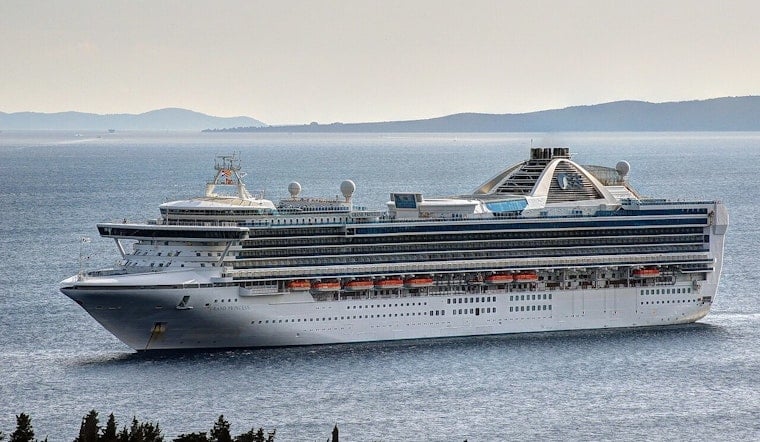
Hawaii lawmakers are steering away from taxing cruise fares like hotel stays and toward a flat fee on every passenger who sails into a state harbor, setting up a major reset in how the islands charge visiting cruise ships.
The proposal would pull cruise fares out of the transient accommodations tax and replace that system with a per-passenger harbor fee, with the money earmarked for port infrastructure and climate-resilience projects and collected by the Department of Transportation. The timing is no accident: out-of-state cruise visitors poured roughly $62.7 million into Hawaii through November 2025.
As first reported by Pacific Business News, lawmakers say the overhaul is aimed at fixing legal and bureaucratic headaches tied to prorating the transient accommodations tax across multi-port cruise itineraries. Supporters argue that a simple head fee would lock in money for harbor upgrades while making collection and enforcement far less messy.
What the bill would do
The measure would set a $10-per-passenger fee on any marine passenger ship that docks in a Hawaii commercial harbor. Ship owners or their agents would have to submit passenger manifests when they arrive, and all revenue would flow into a dedicated cruise ship passenger fee special fund for port improvements and climate mitigation projects.
The bill also spells out enforcement tools, including the ability to deny mooring to ships that fall behind on payments, and it allows the fee to be adjusted each year using the urban-Hawaii Consumer Price Index. The full language is available in the bill text on LegiScan.
Money and visitors
According to the Hawaiʻi Tourism Authority, 131,147 visitors arrived on out-of-state cruise ships in the first 11 months of 2025, spending about $62.7 million while on-island. HTA's cruise fact sheet includes per-person and per-day spending figures that state officials use to estimate how much a per-head harbor fee could generate for long-delayed infrastructure work.
Legal backdrop and industry pushback
This new approach follows a rocky rollout for the 2025 "green fee," which extended the transient accommodations tax to cruise fares and immediately drew a lawsuit from the cruise industry. A federal appeals court temporarily blocked enforcement of the law's cruise provisions while that case moves forward.
The courtroom fight, which has pulled in filings from both the industry and federal players, highlights the constitutional and maritime law issues lawmakers are trying to sidestep with the new fee structure. AP News has reported extensively on the litigation and the federal response.
Next steps
Companion bills are moving in both chambers. House Bill 2195 has already been amended and was recommended for passage out of the House Transportation Committee, while SB634 remains active in the Senate.
If the measures clear their committees and win floor votes, they would strip out the transient accommodations tax language that applied to cruise fares and channel collections into the Department of Transportation's new special fund. The latest status and full bill text are available on LegiScan.





_IMO_9104005;_in_Split,_2011-10-13.jpg)