

























































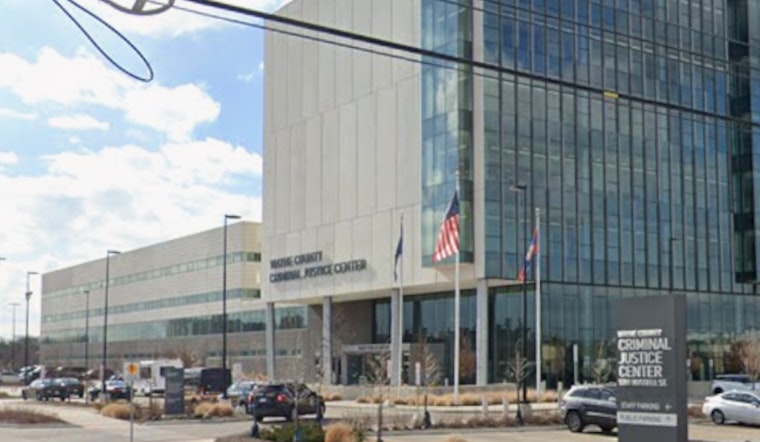
An 18-year-old Highland Park man has admitted his role in the death of Christina Hayes, the 28-year-old trans woman whose body was discovered behind a Woodward Avenue laundromat in June 2025. His guilty plea this week clears the way for a sentencing hearing now set for March 24.
What prosecutors said
Investigators say Hayes was found in an alley behind a laundromat on the 17600 block of Woodward Avenue on June 21, 2025, with injuries to her face and neck. The case led to an arrest in August, and prosecutors initially charged Malique Javon Fails with felony murder, larceny from a person, and a hate crime tied to gender-identity bias. Wayne County Prosecutor Kym Worthy publicly framed the killing as part of a broader pattern of violence targeting trans women of color, according to a Wayne County release.
The plea deal and charges that stuck
Court records show that on March 2, 2026, Fails entered a plea agreement that consolidated and resolved several charges. According to those records, he pleaded guilty to a hate crime involving the use of force that caused bodily injury, to stalking or damaging property, and to second-degree murder. Other counts, including the original felony murder charge, were dismissed as part of the deal.
Fails was arrested on August 15, 2025, and his sentencing is scheduled for March 24 at 11:30 a.m. The plea means jurors will not weigh a first-degree murder case, but it also locks in a murder conviction alongside the hate-crime admission.
Legal implications
Under Michigan law, second-degree murder is punishable by up to life in prison or any term of years at the sentencing judge's discretion. The separate hate-crime conviction carries its own potential penalties and sends a legal signal that Hayes was targeted in part because of her identity.
Defendants in Michigan can no longer invoke what is often called a "gay or trans panic" defense, a strategy lawmakers moved to bar in 2025. National coverage of that legislative change has highlighted cases like Hayes's as part of the backdrop for the reform.
Local and national context
Prosecutors and local journalists have linked Hayes's killing to a troubling pattern of violence against transgender women in Southeast Michigan. Advocates say the outcome in this case will resonate far beyond one courtroom, especially for trans women of color who see their lives reflected in Hayes's story.
Nationally, the Human Rights Campaign documented dozens of fatal incidents involving transgender and gender-expansive people in 2024, a number that civil rights groups say is likely an undercount. Local reporting has placed Hayes's death within that broader national picture of escalating risk.
What is next
Fails is expected back in court on March 24 for sentencing, where a judge will decide how far to go within Michigan's statutory range and sentencing guidelines. Reporters and community advocates say they will be watching closely to see how the hate-crime finding and second-degree murder conviction translate into actual prison time, and for any impact statements from Hayes's family or remarks from local officials in the lead-up to the hearing, as reported by ClickOnDetroit.





