

























































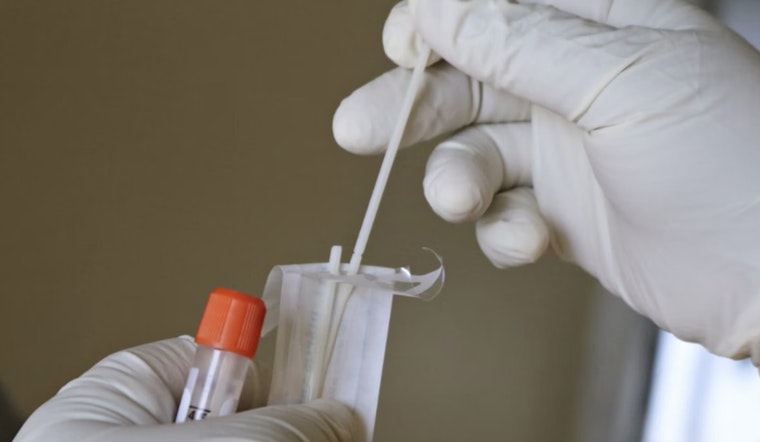
New reporting suggests the National Kidney Foundation of Hawaiʻi raked in steep sums from taxpayer-funded COVID testing during the pandemic, at times billing as much as $166 per PCR test. A torrent of federal and local relief dollars flowed to the relatively small nonprofit and its web of private partners, prompting fresh scrutiny and a promise from the organization to bring in an outside reviewer. The flap centers on emergency no-bid contracts, eye-popping daily labor invoices, and a consultant who is already under the microscope in a separate political donations investigation.
How much did taxpayers pay?
Health department and city contract records show the foundation was allowed to bill up to $140 per PCR test on Oʻahu, $156 on the neighbor islands, and $166 for in-school PCRs. Daily labor charges in some cases pushed the effective per-test price above $300, according to Civil Beat. Between 2020 and 2023, the Kidney Foundation brought in about $130 million in testing revenue: roughly $35 million from the City and County of Honolulu and about $95 million from the state, most of it federal pandemic relief money, the reporting found. City and state spokespeople have said the contracts were struck in a period of intense demand and that the payments reflected full program costs.
Experts say prices were out of step
Those contract rates were far above what many Americans typically paid for PCR tests. The Peterson-KFF Health System Tracker pegs the national median price for insured patients near $62 in 2021, according to Peterson-KFF. A separate review of Hawaiʻi laboratories documented outsized returns for some operators during the pandemic, an analysis by UHERO found. Economists and public health researchers say emergency procurement rules and early-pandemic scarcity do not fully explain Hawaiʻi's markups, and they have called for tougher oversight of how federal relief dollars were handled.
Who profited and what's next
The testing operation was organized by consultant Tobi Solidum and run through a mix of subcontractors and a mainland laboratory company, Capture Diagnostics. Local reporting has tied Solidum's firms and allies to the key contracts. Hawaii News Now detailed how the city routed tens of millions of dollars to the Kidney Foundation and how the airport lab program functioned. Capture later sought Chapter 11 protection in May 2025, and its court docket lays out litigation and creditor claims linked to the testing business. Bankruptcy records on Inforuptcy name the Columbus-area entities involved in the program.
Legal questions and audits
Federal rules require non-federal entities that receive large federal awards to submit audits, and public records suggest some of those required filings may be missing. The rules are laid out at 2 C.F.R. §200.501. In response to the latest reporting, the Kidney Foundation says it has begun a third-party review of its books and projects connected to the testing program, Civil Beat reported, even as investigators continue tracking political donations linked to the effort. Lawmakers and watchdogs say the independent review, along with a possible federal audit, will be critical to determining who signed off on the high costs and whether taxpayers got the protection they were promised.





